
Side Dishes
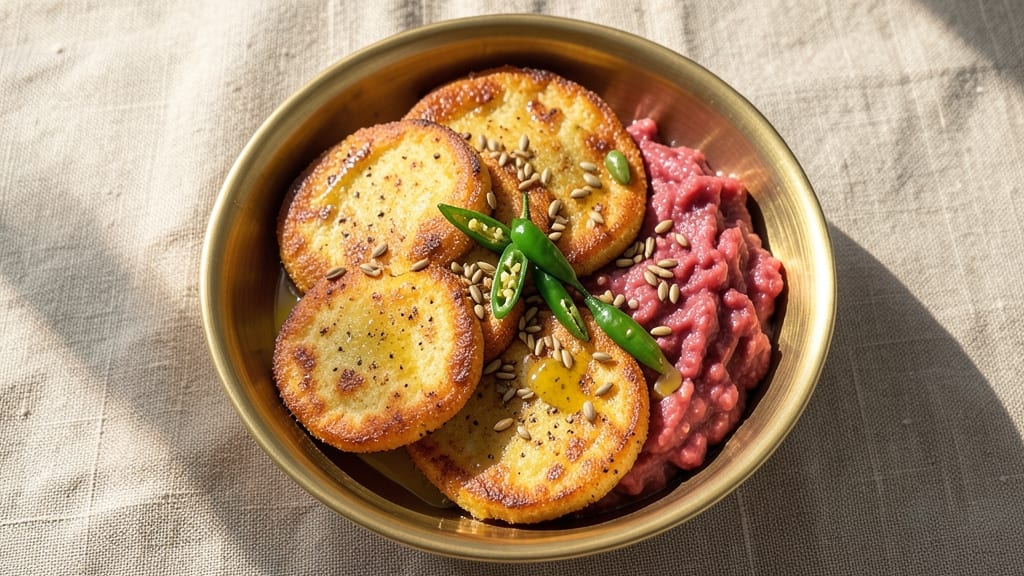
This sweet potato vada recipe transforms humble ingredients into golden, crispy fritters that crackle with every bite—just like the ones from your favorite South Indian restaurant.
The secret lies in perfectly balancing grated sweet potatoes with mashed lentils and aromatic spices, creating a batter that holds its shape while frying to a crispy exterior. I’ve perfected this technique after years of experimenting, ensuring each vada stays tender inside while developing that irresistible crunch.
What sets these vadas apart is the spice blend—cumin, coriander, and mustard seeds toasted until fragrant, then combined with fresh herbs like cilantro and green chilies for a bright, zesty kick.
The batter must be just right: too loose, and the fritters fall apart; too thick, and they won’t fry evenly. Trust me, getting this balance is the key to restaurant-quality results at home.
By the time you’re done, you’ll have a plate of golden-brown vadas that are crispy on the outside and soft within, perfect for serving with coconut chutney or a cooling mint sauce. The aroma alone—spiced potatoes sizzling in hot oil—will have everyone gathering around the kitchen.
Serve them warm as a side to curries or enjoy them as a snack with your favorite dipping sauce. This recipe is more than just a dish; it’s a taste of tradition with a modern twist.
Whether you’re making them for a family gathering or a quiet weeknight dinner, these vadas deliver the same satisfaction as the ones you’d find in a bustling South Indian café.
Ingredients for sweet potato vada
Golden-brown vadas start with these simple, flavor-packed ingredients—just 13 staples for crispy perfection.
| Ingredient | Amount | Notes |
|---|---|---|
| Sweet Potatoes 🍠 | 2 lbs | Orange-fleshed, peeled and grated |
| Red Lentils 🌾 | 1 cup | Cooked and mashed smooth |
| Cumin Seeds 🌶️ | 1 tbsp | Toasted until fragrant |
| Coriander Seeds 🌿 | 1 tbsp | Toasted until fragrant |
| Mustard Seeds 🌶️ | ½ tbsp | Toasted until popping |
| Green Chilies 🌶️ | 4 whole | Slit lengthwise, seeds removed |
| Fresh Cilantro 🌿 | ¼ cup | Chopped finely, stems removed |
| Asafoetida Powder 🌶️ | ¼ tsp | Optional, for authentic flavor |
| Turmeric Powder 🌿 | ¼ tsp | Freshly ground preferred |
| Salt 🧂 | 1 tsp | Adjust to taste |
| Vegetable Oil 🫒 | 3 cups | For deep frying, high smoke point |
| Lemon Juice 🍋 | 2 tbsp | Freshly squeezed |
| Coconut Flakes 🥥 | ¼ cup | Toasted, for garnish (optional) |
The sweet potatoes are non-negotiable—orange-fleshed gives that classic vada color and sweetness. Grab the starchy variety from the produce section (not the dry, floury kind). I always peel and grate them right away—a box grater with medium holes works best. For the lentils, red lentils are key—they mash smooth without getting mushy. If you can't find them, yellow lentils work in a pinch, but you'll need to blend them after cooking. The spice blend is where the magic happens: toast the cumin, coriander, and mustard seeds in a dry pan until fragrant—about 2 minutes. Don't walk away; they burn fast. Penzeys or the bulk bin at Whole Foods have the best whole spices, but the grocery store stuff is fine if it's not ancient.
No asafoetida? Skip it—it's optional, but if you can find it, it's worth the tiny amount. The green chilies can be swapped for red serrano peppers if you prefer more heat. Fresh cilantro is ideal, but dried works at half the amount if you're in a bind. For the oil, vegetable or canola oil works best—high smoke point, neutral flavor. If you're frying in batches, keep the oil at 350°F (use a thermometer). The batter consistency is everything: it should be thick enough to hold shape when dropped but not so stiff it won't fry evenly. If it's too loose, add a splash more mashed lentils. Too thick? A little water or lemon juice helps. And trust me, the coconut flakes on top are worth the extra minute—they add crunch and look gorgeous.
These vadas are best served fresh and crispy, but they reheat beautifully. Pop them in a 200°F oven for 5-10 minutes to restore the crunch. Store leftovers in an airtight container for up to 3 days, though they lose crispiness after day 1. For longer storage, freeze them on a tray first (so they don't stick), then transfer to a bag. They'll keep for 1 month frozen—just reheat from frozen in the oven. The batter keeps in the fridge for 2 days if you want to prep ahead. I always double the recipe because they disappear fast—perfect for parties or meal prep
Why You'll Love This Recipe
- No-Fuss Mash-Up: I swear by this recipe because it turns humble sweet potatoes and red lentils into something special with zero fuss. Just boil, blend, and fry—no fancy techniques, no last-minute scrambling.
- Craving-Worthy Crunch: That first bite of crispy exterior with a soft, spiced center? The mustard seeds and cumin seeds sizzle into something irresistible, and the sweetness of the potato balances the earthy lentils perfectly.
- Lunchbox Hero: Between us, these hold up amazingly in lunchboxes—no soggy vadas here. Pack a few with some yogurt or chutney, and they’re a hit with kids (and adults who secretly love leftovers).
- Pantry Staple Magic: Honestly, this recipe uses things I always have: pantry spices, a couple of potatoes, and a bag of lentils. It’s my go-to when I’m broke or lazy—same result, zero guilt.
Step-by-step instructions for sweet potato vada
Here's how to make these golden, crispy vadas that balance sweet and spicy perfectly.
Prepare the Sweet Potato and Lentil Base
Start by grating the 2 lbs sweet potatoes using a box grater or food processor. I like to squeeze out excess moisture using a clean kitchen towel—this prevents soggy vadas. In a large bowl, combine the grated sweet potatoes with the 1 cup cooked and mashed red lentils. The lentils add protein and help bind everything together.
Add the 1 tbsp toasted cumin seeds, 1 tbsp toasted coriander seeds, 0.5 tbsp toasted mustard seeds, 4 slit green chilies, 0.25 cup chopped fresh cilantro, 0.25 tsp asafoetida powder, and 0.25 tsp turmeric powder. Mix well until the spices are evenly distributed. The aroma should be warm and inviting—this is where the magic happens. Finally, add the 1 tsp salt and 2 tbsp lemon juice, mixing until fully combined.
Shape and Chill the Vada Mixture
Take the mixture and gently shape it into 12 equal balls, about 2 inches in diameter. I like to use my hands for this—press lightly but firmly to avoid air pockets. Place the shaped vadas on a plate and refrigerate for 30 minutes. This chilling step is crucial—it firms up the mixture so it holds its shape when frying and ensures a crispy exterior.
While they chill, heat 3 cups vegetable oil in a deep fryer or heavy-bottomed pot to 350°F. Use a thermometer to monitor the temperature—this is the sweet spot for golden, crispy vadas. If the oil isn't hot enough, the vadas will absorb oil and turn greasy instead of crispy.
Fry to Golden Perfection
Carefully slide 3-4 vadas into the hot oil using a slotted spoon. Fry for 4-5 minutes until they turn a deep golden brown color. You'll see tiny bubbles forming around the edges—that's your signal they're cooking properly. Turn them gently with a slotted spoon to ensure even browning on all sides.
Remove the fried vadas and place them on a paper towel-lined plate to drain excess oil. Repeat with the remaining vadas, maintaining the oil temperature at 350°F throughout. If the oil temperature drops below 340°F, the vadas will absorb too much oil and lose their crispiness. Work in batches to avoid overcrowding the pan.
Serve Warm with Garnish
Once all the vadas are fried, let them cool for 2-3 minutes before serving. This brief rest allows the interior to set slightly, making them easier to handle. For extra flavor, sprinkle the fried vadas with 0.25 cup toasted coconut flakes just before serving. The coconut adds a delightful contrast to the spicy-sweet vadas.
Serve these crispy vadas warm with a side of mint chutney or tamarind sauce. The contrast of the cool, tangy sauce with the hot, crispy vadas is simply irresistible. Each bite should deliver a perfect balance of sweetness from the potatoes, warmth from the spices, and crunch from the golden exterior.
Pro Tips For Making Sweet Potato Vada
- Boil Lentils Until They Split: Red lentils should break down into a thick, creamy paste—not mushy, not dry. I learned this the hard way: undercooked lentils make the vada dense and bland, while overcooked ones turn gluey. Aim for 12-15 minutes in boiling water, then mash until smooth but still holds shape when pressed. (Yes, even if you’re impatient like me.)
- Grate Sweet Potatoes Fresh: Pre-grated sweet potatoes from the store? Skip it. They oxidize fast and lose texture, making your vada soggy. Grate them yourself with a box grater or food processor, then squeeze out excess moisture with a clean towel. This step guarantees a crispy exterior instead of a sad, limp vada.
- Temper Spices in Oil: Don’t just toss whole spices into the batter—they’ll sit like rocks and burn. Instead, dry-roast cumin, coriander, and mustard seeds in 2 tablespoons oil on medium heat until they sizzle and smell aromatic (about 30 seconds). Then add water to bloom them. This makes a real difference in flavor depth.
- Shape Vadhas Firmly: Pack the sweet potato-lentil mix tightly into balls—no loose centers. I used to rush this, and my vadhas would crack or fall apart while frying. Wet your hands slightly to prevent sticking, then roll them into smooth, compact spheres. The tighter the shape, the better the hold on crispiness.
Pro cooking tips for this dish
Batter Consistency
The secret to perfect vadas lies in the batter's texture—it must be thick enough to hold shape but loose enough to fry evenly.
I find the ideal consistency is like wet sand: when you press a small amount between your fingers, it should clump together without sticking to your palm. If your batter feels too loose, add 1-2 tablespoons of mashed lentils at a time until it firms up. Too thick?
A splash of lemon juice (about 1 teaspoon) will lighten it without compromising structure. 💫
Pro tip: Let the batter rest for 10 minutes after mixing—this allows the sweet potatoes to release more moisture, making shaping easier. I always give it a final taste test before forming the vadas; the flavor should be vibrant, not bland.
Oil Temperature
Frying at the wrong temperature is the #1 reason vadas turn greasy instead of crispy. Use a deep-fry thermometer to maintain 350°F—any lower, and the vadas will absorb oil like a sponge. I swear by the ThermoWorks Smoke for this; it’s worth the investment.
If you don’t have one, test the oil by dropping a pinch of batter into it: if it sizzles and floats immediately, it’s ready. 🌡️
Watch for tiny bubbles forming around the edges of the vadas—that’s your cue they’re cooking properly. If the oil starts smoking or the vadas brown too quickly, reduce heat slightly. Never overcrowd the fryer; 3-4 vadas per batch is ideal for even cooking.
Shaping Like a Pro
Unevenly shaped vadas fry unevenly, so take your time here. Wet your hands slightly to prevent sticking, then roll the batter into 2-inch balls with smooth, even surfaces. Press gently but firmly—think of them like little patties, not loose clumps.
I like to make an indentation in the center of each ball before frying; this helps steam escape during cooking, preventing a soggy interior. 💪
For extra crispiness, I dip the shaped vadas in cold water for 5 seconds before frying. The moisture creates steam during the initial fry, which helps develop that perfect golden crust. Place them on a wire rack to drain—this keeps them crispy longer than resting on paper towels.
Double-Frying for Extra Crunch
Here’s my restaurant-inspired trick: fry the vadas once at 350°F for 3 minutes, then increase the oil temperature to 375°F for a final 1-2 minutes. This two-stage fry locks in crispiness and deepens the color.
The first fry cooks the interior, while the second stage crisps the exterior to a caramelized golden-brown. 🔥
Work quickly during the second fry—vadas can go from perfect to burnt in seconds at this temperature. If you’re nervous, stick to a single fry at 350°F for 4-5 minutes total, but trust me, the double-fry method is worth the effort for that extra crunch.
Nutrition facts
Frequently asked questions
Can I use regular potatoes instead of sweet potatoes?
Sweet potatoes are essential for that classic vada flavor and texture—regular potatoes will make your fritters too starchy and less sweet. If you absolutely must substitute, try orange-fleshed yams, but the taste and color won't be the same. The natural sweetness of sweet potatoes balances the spices beautifully.
Why are my vadas falling apart when frying?
This usually happens when the batter is too loose or the oil isn't hot enough. The ideal consistency should hold shape when pressed gently—like wet sand. If your mixture crumbles, add 1 tbsp mashed lentils at a time. Also, maintain 350°F oil temperature—any lower makes them greasy and fragile.
How do I make these vadas less spicy?
Adjust the heat by reducing green chilies—start with 2 instead of 4 or remove the seeds. For extra mildness, add 1 tbsp grated coconut to the batter, which helps balance the spices. Always taste the batter before shaping to check the flavor profile.
Can I bake these instead of frying?
Baking won't give you that signature crispy texture, but you can try! Shape the vadas as directed, then brush with oil and bake at 400°F for 20-25 minutes until golden. They'll be softer inside but still delicious—just not as crispy as fried. For best results, air-fry at 375°F for 12-15 minutes for a compromise between crispiness and health.
What's the best way to store leftover vadas?
Keep them crispy by storing in an airtight container at room temperature for 1 day max. For longer storage, freeze on a tray first (to prevent sticking), then transfer to a bag. Reheat frozen vadas in a 350°F oven for 5-7 minutes—they'll lose some crispiness but taste great. Never microwave!