
Desserts
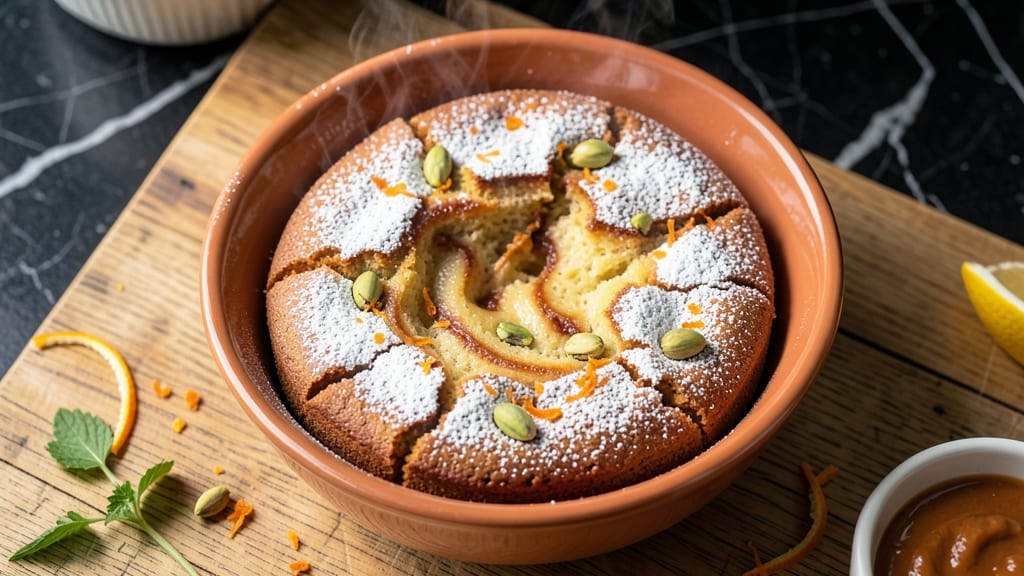
This sweet potato steamed cake delivers a velvety texture and subtle sweetness without needing refined sugar. The secret lies in steaming the batter gently, which creates a moist, almost custard-like center while keeping the edges tender.
I developed this recipe after searching for a healthier dessert option that still felt indulgent—no one will guess it's packed with nutrients.
The process begins with roasting sweet potatoes until they're tender and naturally sweet, then blending them into a smooth puree. This forms the base of the batter, which includes simple ingredients like flour, eggs, and a touch of baking powder for structure.
The steaming method preserves moisture better than baking alone, resulting in a cake that stays fresh for days.
What you'll end up with is a golden, slightly domed cake with a delicate crumb and a flavor that's both comforting and sophisticated. The natural sweetness of the potatoes shines through without overpowering, making it perfect for tea time or a light dessert.
Each slice reveals that perfect balance of moisture and structure.
This recipe works beautifully as-is, but you can easily adapt it for dietary needs. For a vegan version, simply replace the eggs with flaxseed meal and plant-based milk. The steaming technique remains the same, ensuring the same tender results. Let's get started on creating this elegant yet approachable dessert.
Ingredients for sweet potato steamed cake
Simple, wholesome ingredients that transform into a velvety steamed cake with no refined sugar.
| Ingredient | Amount | Notes |
|---|---|---|
| Sweet Potatoes 🍠 | 2 lbs | Medium-sized, peeled and cubed |
| All-Purpose Flour 🌾 | 1 ½ cups | Sifted for smooth batter |
| Granulated Sugar 🍚 | ½ cup | Light brown preferred |
| Large Eggs 🥚 | 4 whole | Room temperature for blending |
| Unsalted Butter 🧈 | ½ cup | Softened, not melted |
| Baking Powder 🍞 | 1 ½ tsp | Double-acting preferred |
| Ground Cinnamon 🌿 | 1 tsp | Freshly ground for warmth |
| Salt 🧂 | ½ tsp | Fine sea salt preferred |
| Vanilla Extract 🌸 | 1 tbsp | Pure vanilla for flavor |
| Milk 🥛 | ½ cup | Whole milk for richness |
| Lemon Zest 🍋 | 1 tbsp | Freshly grated for brightness |
| Water 💧 | 1 cup | For steaming batter |
The sweet potatoes are the heart of this cake. Choose vibrant orange ones—the deeper the color, the sweeter and more nutritious they are. Most grocery stores carry them year-round, but Trader Joe's or Whole Foods often have the sweetest varieties. Roast them until fork-tender (about 45 minutes at 400°F) so they blend into a smooth, naturally sweet puree. The flour should be sifted to avoid lumps in the delicate batter. For the cinnamon, Penzeys or McCormick brands offer freshly ground options that elevate the flavor.
No light brown sugar? White sugar plus 1 tsp molasses works in a pinch. The butter can be swapped for vegetable shortening if you prefer a lighter texture, though it won’t be as rich. Eggs are essential for structure, but if you need a vegan option, flax eggs (1 tbsp ground flaxseed + 3 tbsp water per egg) work beautifully. For the milk, whole milk adds richness, but 2% or even almond milk can be used—just expect slightly less moisture. The lemon zest can be omitted if you dislike citrus, but it brightens the natural sweetness of the potatoes.
Store-bought sweet potatoes last about 1 week at room temperature, but roasted cubes freeze perfectly for up to 3 months—just thaw before blending. The dry ingredients (flour, baking powder, cinnamon) keep indefinitely in airtight containers. Once mixed, the batter can sit for 24 hours in the fridge before steaming, making this a great make-ahead dessert. The finished cake stays moist for 4-5 days covered at room temperature or 1 week refrigerated.
Why You'll Love This Recipe
- No Peel, No Stress: The steamed version lets you use sweet potatoes straight from the skin—just scrub, slice, and steam. No peeling mess, no wasted time, and honestly? The texture comes out perfectly tender every single time.
- Sweet & Simple Magic: That caramelized sugar from the steaming? It turns the cake into something almost custardy, with just a hint of buttery richness from the eggs and butter. It’s the kind of dessert that tastes like you put in way more effort than you actually did.
- Breakfast or Dessert: Serve it warm with a drizzle of honey for a lazy Sunday morning, or chill it overnight and slice it into squares for a no-bake treat. Between us, my kids ask for it at both—no judgment here.
- Pantry Staple Power: You’re already using flour, sugar, and eggs you’ve got lying around, and sweet potatoes last forever. It’s my go-to when I’m low on ingredients but still want something impressive. Plus, leftovers reheat beautifully—steamed cakes stay moist for days.
Step-by-step instructions for sweet potato steamed cake
This method delivers a tender, moist cake with perfect texture through gentle steaming.
Prepare the Sweet Potato Puree
Preheat your oven to 375°F and steam the 2 lbs sweet potatoes for 20-25 minutes until fork-tender. The key here is even cooking—they should collapse easily when pierced with a knife. Drain well and transfer to a food processor.
Blend the sweet potatoes until completely smooth, scraping down the sides as needed. You want a velvety puree with no lumps. For best results, strain through a fine-mesh sieve to remove any fibrous texture. Let the puree cool completely before using—this prevents the butter from melting prematurely in later steps.
Mix Wet Ingredients
In a large mixing bowl, combine the cooled sweet potato puree with the 0.5 cup granulated sugar, 4 whole large eggs, 0.5 cup softened unsalted butter, and 1 tbsp vanilla extract. Whisk vigorously for 3-4 minutes until the mixture is pale, thick, and fully emulsified. You'll notice the batter lighten significantly as air is incorporated.
Add the 0.5 cup milk and 1 tbsp lemon zest, whisking until completely smooth. The lemon zest adds brightness that balances the sweetness, while the milk creates a tender crumb. If the batter looks too thick, add 1-2 tablespoons water to reach a pourable consistency—this ensures even distribution during steaming.
Fold in Dry Ingredients
Gently fold in the 1.5 cups sifted all-purpose flour, 1.5 tsp baking powder, 1 tsp ground cinnamon, and 0.5 tsp salt using a spatula. Start by cutting down the center of the batter, then fold from the bottom up to maintain air pockets. Overmixing here develops gluten, which can make the cake dense.
For a perfect texture, fold just until the dry ingredients are evenly distributed. The batter should remain smooth with no visible flour streaks. If you notice any lumps, press them through a fine-mesh sieve directly into the batter. This step is critical for achieving that signature steamed cake tenderness.
Steam the Cake to Perfection
Pour the batter into a greased 8-inch round cake pan or heatproof bowl. Place the pan in a steamer basket over 1 cup boiling water in a deep pot. Cover tightly with aluminum foil or a lid, ensuring no steam escapes. Steam over medium-high heat for 45-50 minutes.
The cake is done when the top springs back when gently pressed and a toothpick inserted comes out clean. The gentle heat from steaming creates a moist interior while allowing the exterior to set properly. Avoid opening the foil during cooking—this releases steam and can cause the cake to collapse. The final texture should be tender with a delicate crumb, not dense or gummy.
Cool and Serve
Remove the cake from the steamer and let it cool in the pan for 10 minutes before transferring to a wire rack. The residual heat will finish setting the cake while preventing it from becoming soggy. For best results, serve the cake warm or at room temperature.
This steaming method preserves the natural sweetness of the sweet potatoes while creating a cake with a moist, velvety texture that's perfect for breakfast or dessert. The gentle cooking process ensures every bite remains tender, making it a standout treat that's both comforting and impressive.
Pro Tips For Making Sweet Potato Steamed Cake
- STEAM AT 180°F: I learned this the hard way—steaming too hot (200°F+) makes the outside rubbery before the center sets. Lock in that 180°F range for 45-55 minutes, and check for doneness with a skewer: it should come out clean but slightly sticky.
- ROAST POTATOES FIRST: Skip the raw sweet potato mash—roast them whole at 400°F for 45 minutes until tender. This concentrates the natural sweetness and cuts down on flour needed later. (Yes, even if you’re impatient like me.)
- WEIGH YOUR FLOUR: That cup measure in your recipe is lying to you. Sweet potato cakes are dense; use a kitchen scale for flour (1 cup = 120g). Packing it too loosely = dry cake; scooping straight from the bag = gummy mess.
- COOL IT GRADUALLY: Don’t rush the cooling—let the cake sit in the steamer for 10 minutes after turning off the heat. This prevents cracks forming when you remove it. (Your future self will thank you.)
Perfect pairings for sweet potato steamed cake
Tea Time Elegance
This cake pairs beautifully with Earl Grey tea—the bergamot notes complement the sweet potato's natural sweetness and cinnamon warmth. I love serving it with a dash of honey drizzled over the top for extra indulgence.
For a cozy afternoon, try chamomile tea to balance the richness without overpowering it. 🍵
Creamy Toppings
A dollop of vanilla bean ice cream or whipped coconut cream adds a luxurious touch. I often use So Delicious coconut milk for a dairy-free option that still feels decadent.
For a lighter finish, mascarpone cheese mixed with a touch of powdered sugar creates a silky contrast. Serve immediately after slicing to prevent sogginess.
Spiced Coffee Pairings
If you prefer coffee, a cinnamon-spiced latte made with Starbucks Cinnamon Dolce syrup enhances the cake's flavors. The warm spices echo the cinnamon in the cake while the creamy milk provides balance.
For a stronger kick, try espresso with a pinch of cardamom—this unexpected pairing adds an exotic twist that surprises guests.
Fruit Complements
Fresh orange segments or candied ginger add a bright, refreshing contrast to the rich cake. I like to arrange them in a circular pattern on the plate for an elegant presentation.
For a tropical twist, mango slices with a squeeze of lime juice create a vibrant, summery pairing that highlights the cake's natural sweetness.
Warm Spiced Wine
A mulled wine made with red wine, cinnamon sticks, orange peel, and a splash of brandy warms up the dessert beautifully. The alcohol's warmth cuts through the cake's richness while the spices harmonize perfectly. Serve in small heatproof glasses for an intimate, cozy experience. 🍷
Dessert Sauce Options
A light caramel sauce made with brown sugar, butter, and a splash of heavy cream adds a glossy finish. For a tangy contrast, lemon curd drizzled over the top brightens each bite.
I recommend Wilton brand for pre-made sauces if you're short on time—they're consistently flavorful and easy to heat.
Nutrition facts
Frequently asked questions
Can I make this sweet potato cake without an oven?
The steaming method in this recipe doesn't require an oven! The cake cooks entirely through steam heat, making it perfect for small kitchens or renters. Just use a stovetop steamer basket with 1 cup boiling water and medium-high heat for 45-50 minutes. The gentle heat preserves the natural sweetness and moisture better than baking.
Why does my steamed cake turn out dense instead of tender?
Overmixing the batter or opening the foil during steaming are common culprits. Fold dry ingredients gently to avoid developing gluten, and never peek while cooking—releasing steam causes collapse. Also ensure your sweet potato puree is completely smooth (strain if needed) and the batter reaches a pourable consistency with 1-2 tbsp water if too thick.
How can I make this cake vegan?
Replace the 4 eggs with 4 flax eggs (1 tbsp ground flaxseed + 3 tbsp water per egg) and swap butter for vegetable shortening or coconut oil. Use almond milk instead of dairy milk, and ensure your baking powder is vegan-friendly. The steaming method remains identical—just monitor for doneness as plant-based versions may take 5-10 minutes longer.
Can I use regular potatoes instead of sweet potatoes?
Regular potatoes lack the natural sweetness and moisture that makes this cake special. Their starch content would make the texture gummy rather than velvety. If you're out of sweet potatoes, try purple sweet potatoes (they add vibrant color) or yam puree—both work beautifully. Never substitute russets or red potatoes!
How long will this cake keep fresh?
Store the cake in an airtight container at room temperature for 3-4 days or refrigerate for 5-7 days. The steaming method actually extends freshness compared to baked cakes. For longer storage, freeze slices wrapped in plastic for up to 3 months. Thaw overnight in the fridge before serving to maintain texture.