
Side Dishes
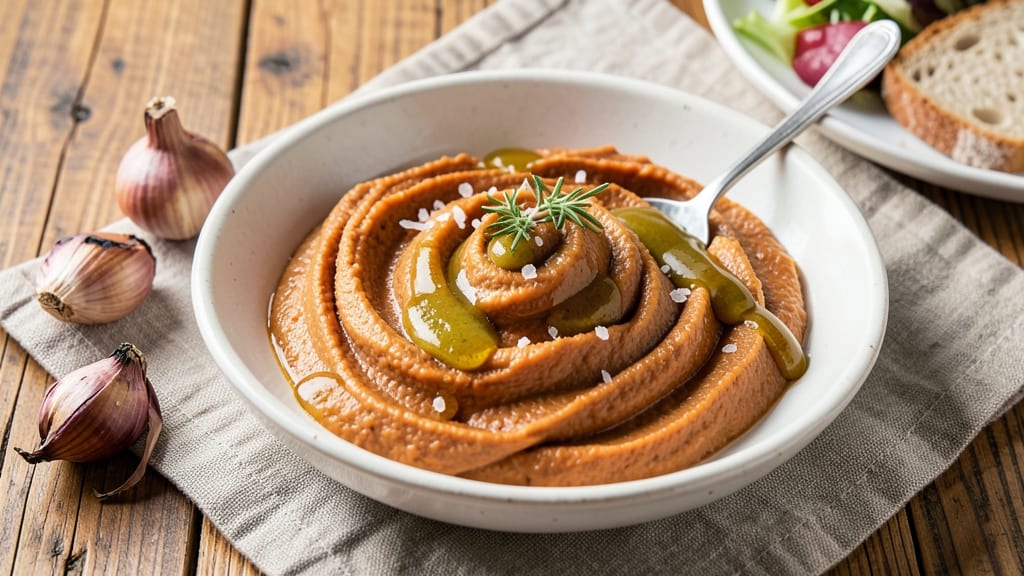
This sweet potato mustard sauce recipe transforms humble ingredients into a velvety condiment that bridges sweet and tangy flavors with perfect heat balance. 🌟 The magic lies in roasting sweet potatoes until caramelized, then blending them with sharp mustard and just enough honey to create a sauce that's complex yet approachable—ideal for elevating roasted dishes, sandwiches, or even as a marinade.
The process is straightforward but delivers restaurant-quality results: roast sweet potatoes until tender and deeply caramelized, then blend with Dijon mustard, a touch of vinegar, and aromatic spices.
What you'll end up with is a smooth, slightly textured sauce that's rich enough to stand alone but versatile enough to complement any dish. The sweetness of the potatoes mellows the mustard's sharpness, while the roasted depth adds layers of flavor you won't find in store-bought versions.
This sauce keeps beautifully in the refrigerator for up to a week, making it perfect for meal prep. Spread it on sandwiches, drizzle it over roasted vegetables, or use it as a marinade for grilled meats—the possibilities are endless.
The balance of sweet, tangy, and slightly spicy flavors makes it a crowd-pleaser that works equally well as a dip, sauce, or glaze.
What sets this recipe apart is the depth of flavor achieved through roasting, which transforms simple sweet potatoes into a complex base. The result is a sauce that's both elegant and approachable, perfect for home cooks looking to elevate everyday meals with minimal effort. Let's get started!
Ingredients for sweet potato mustard
Roasted sweet potatoes meet sharp mustard for a velvety sauce that's restaurant-quality simple.
| Ingredient | Amount | Notes |
|---|---|---|
| Sweet Potatoes 🍠 | 2 medium | Peeled, cubed, roasted until tender |
| Dijon Mustard 🌶️ | ¼ cup | High-quality for best flavor |
| Honey 🍯 | ⅛ cup | Wildflower preferred for depth |
| Apple Cider Vinegar 🍏 | 1 tbsp | For tangy brightness |
| Olive Oil 🫒 | ¼ cup | Extra-virgin for richness |
| Garlic Cloves 🧄 | 2 cloves | Roasted with sweet potatoes |
| Ground Cinnamon 🌿 | ½ tsp | Warmth enhancer |
| Ground Ginger 🌶️ | ¼ tsp | Freshly ground preferred |
| Salt 🧂 | ½ tsp | Kosher or sea salt |
| Black Pepper 🌶️ | ¼ tsp | Freshly cracked for heat |
The sweet potatoes are the star—pick orange-fleshed varieties like Jewel or Beauregard for the best caramelization. Roast them until tender and deeply browned, almost crispy in spots. Trader Joe's and Whole Foods usually carry these, but any grocery store sweet potatoes work. Don't skip peeling them first—it keeps the sauce silky smooth. The Dijon mustard should be high-quality (like Maille or Amora)—cheap mustard tastes flat and grainy in the final blend. If you can't find Dijon, whole-grain mustard works too, but it'll be slightly coarser in texture.
No honey? Maple syrup or agave nectar work in a pinch, though honey's floral notes are ideal. Short on vinegar? Lemon juice at half the amount gives a brighter tang. The olive oil can be swapped for avocado oil if you prefer a milder flavor. For extra depth, toast the cinnamon and ginger in a dry pan for 30 seconds before adding to the blend—it intensifies their warmth. The garlic roasts right alongside the sweet potatoes, so no prep needed there. Want more heat? Add a pinch of cayenne or red pepper flakes to the blend.
This sauce keeps beautifully in an airtight jar in the fridge for up to 1 week. The flavors actually meld better after sitting overnight, so make it ahead if you can. For longer storage, freeze in 1-tbsp portions in ice cube trays—perfect for single-use applications. If it thickens after refrigeration, just stir in a splash of warm water or extra olive oil to loosen it up. The roasted potatoes give it a natural richness, so it's heartier than most sauces—great for drizzling, dipping, or even baking into glazes.
Why You'll Love This Recipe
- Five-Ingredient Magic: Honestly, I can’t believe how little it takes to make this. Just roast the sweet potatoes until they’re caramelized at the edges—no peeling, no fuss—and toss them with Dijon, honey, and vinegar. That’s it. The mustard and vinegar do all the work while you’re scrolling or reading a book.
- Sweet Heat Balance: Between us, this combo is ridiculously good—the Dijon adds tangy depth, the honey smooths it out, and the vinegar keeps it bright. Roast the potatoes until they’re tender but still hold their shape, and you get that crispy edge with the creamy center? Chef’s kiss, especially when the flavors mingle after sitting for 10 minutes.
- Meal Prep MVP: I make a big batch on Sundays and use it all week—over eggs, in salads, or as a side for grilled chicken. The dressing keeps for days in the fridge, and the roasted potatoes reheat beautifully. (Yes, even on a Tuesday night when takeout sounds better than it should.)
- Budget Brightener: Sweet potatoes are cheap, and this recipe stretches a little mustard and honey far. I’ll be real: it’s my go-to when I’m broke but still want something that tastes like I bothered. Plus, the olive oil adds richness without breaking the bank—just enough to make everything taste intentional.
Step-by-step instructions for sweet potato mustard sauce
This sauce delivers perfect harmony of sweet, spicy, and tangy flavors—easy to make, impossible to resist.
🍳 Step 1: Roast the Sweet Potatoes and Garlic
Preheat your oven to 400°F. Toss the 2 medium peeled and cubed sweet potatoes with 2 cloves peeled garlic cloves, 1 tablespoon olive oil, ½ teaspoon salt, and ¼ teaspoon black pepper on a baking sheet. Spread them in a single layer—this ensures even roasting.
Roast for 25-30 minutes until the sweet potatoes are fork-tender and the edges are golden brown. You'll know they're done when a knife slides in easily and the aroma fills your kitchen with sweet, caramelized notes. The garlic should be soft and fragrant, adding depth to the sauce.
👨🍳 Step 2: Blend Roasted Potatoes with Mustard and Honey
Transfer the roasted sweet potatoes and garlic to a food processor or blender. Add the ¼ cup Dijon mustard, ¼ cup honey, 1 tablespoon apple cider vinegar, ½ teaspoon ground cinnamon, and ¼ teaspoon ground ginger. Pulse until completely smooth—you want a velvety texture without any lumps.
Here's the thing—this blend needs to be perfectly smooth. If you see any chunks, pulse again until everything is fully incorporated. The mustard adds tang, honey balances the sweetness, and the spices create that warm, aromatic backbone. Taste as you go—you'll see how the flavors come together beautifully.
🥘 Step 3: Thin with Olive Oil for Perfect Consistency
With the food processor running, slowly drizzle in the ¼ cup olive oil until you reach your desired consistency. You want a thick, spreadable sauce—like a cross between hummus and glaze. If it's too thick, add 1-2 teaspoons water at a time until it reaches that perfect coating texture.
This is where the sauce transforms from good to amazing. The olive oil adds richness and helps the sauce cling beautifully to roasted dishes, grilled meats, or even toasted bread. Stir well to combine completely—you should see a glossy, vibrant sauce that's ready to elevate any dish.
⏰ Step 4: Rest and Adjust Seasoning
Let the sauce sit at room temperature for 10 minutes—this allows all the flavors to meld together. Taste and adjust seasoning if needed. If it needs more tang, add a splash of apple cider vinegar. For extra warmth, sprinkle in more cinnamon or ginger. For depth, a pinch of salt can work wonders.
I like to give it this rest because the flavors really come alive after sitting for a bit. The sweet potatoes release more moisture, the spices mellow slightly, and everything balances perfectly. You'll notice how the sauce becomes even more cohesive and flavorful—this is the magic of letting ingredients work together.
🍽️ Step 5: Serve Warm or Store for Later
Serve the sauce immediately over roasted vegetables, grilled chicken, or as a dip for crispy fries. For best results, warm it gently in a small saucepan over low heat for 2-3 minutes, stirring constantly to prevent scorching. The sauce should be warm but not hot—just enough to enhance its natural flavors.
To store, transfer to an airtight container and refrigerate for up to 5 days. When ready to use, warm it gently in the microwave or on the stovetop, adding a splash of water if it thickens too much. This sauce keeps incredibly well and makes a fantastic gift—just package it in a cute jar with a ribbon!
Pro Tips For Making Sweet Potato Mustard
- ROAST THE SWEET POTATO: DESCRIPTION: Cut them into even ½-inch slices—no thicker—and roast at 425°F (220°C) until the edges are caramelized but the center stays slightly soft. I used to overcook them, and they’d turn to mush in the sauce. Trust the doneness: fork-tender, not falling apart.
- USE WHOLE GRAIN MUSTARD: DESCRIPTION: Whole grain Dijon adds texture that regular mustard can’t match. If you’re short on time, mash a few seeds into the sauce with a fork—it still works, but the finished dip won’t have that satisfying bite.
- WHISK THE SAUCE HOT: DESCRIPTION: Heat the mustard, honey, vinegar, and oil together until just simmering, then whisk like you’re mad. Cold ingredients clump, and you’ll end up with a gloppy mess. I learned this after scraping mustard lumps off my plate for the third time.
- BALANCE THE VINEGAR LAST: DESCRIPTION: Taste the sauce before adding all the apple cider vinegar—it’s acidic, and you can always add more, but you can’t take it out. Start with half the amount, let it sit for 10 minutes, then adjust. Your taste buds will thank you.
Best sauces and condiments for this sweet potato mustard
Roasted Sweet Potato Dip
This sauce doubles as an irresistible dip for crispy fries, roasted vegetables, or even apple slices. Serve it warm with baked sweet potato fries or crudités like carrots and celery. I like to add a sprinkle of toasted pumpkin seeds on top for extra crunch and texture.
The sweetness of the potatoes pairs beautifully with the sharpness of the mustard, creating a perfect balance that keeps everyone reaching for more. 🥔
Grilled Meat Glaze
Use this sauce as a marinade or glaze for grilled meats like chicken thighs or pork chops. Brush it on during the last 5-10 minutes of grilling for a caramelized finish. The honey and mustard create a sticky, flavorful crust that locks in moisture and adds depth.
I recommend grilling over medium-high heat and basting frequently for the best results. It’s especially delicious with smoked brisket or grilled salmon.
Sandwich Spread
Spread this sauce on toasted sourdough or rye bread for a sweet and tangy twist on classic sandwiches. Pair it with turkey or roasted chicken, avocado slices, and arugula for a gourmet lunch.
The mustard adds a sharp kick, while the sweet potatoes bring a rich, velvety texture. For extra flair, drizzle a little balsamic glaze on top before serving. It’s a game-changer for sandwiches! 🥪
Roasted Vegetable Elevator
Drizzle this sauce over roasted Brussels sprouts, carrots, or butternut squash to take them from ordinary to extraordinary. The sweetness of the potatoes complements the earthy flavors of the vegetables, while the mustard adds a tangy brightness.
Toss the roasted veggies with 1-2 tablespoons of olive oil, roast until tender, then finish with a generous drizzle of the sauce. It’s a simple but impressive way to elevate any side dish. ✨
Breakfast Toast Topper
Turn your morning toast into a flavor-packed treat by spreading this sauce on whole-grain or seeded bread. Top it with scrambled eggs, crispy bacon, or avocado slices for a hearty breakfast.
The warmth of the cinnamon and ginger pairs perfectly with the richness of the eggs, while the mustard adds a sharp contrast. It’s a creative and delicious way to start your day. 🍳
Sweet and Tangy Marinade
Use this sauce as a marinade for tofu, chicken, or fish before grilling or baking. Let the protein soak in the sauce for at least 30 minutes (or up to 4 hours in the fridge) for maximum flavor absorption.
The sweet potatoes add natural sweetness, while the mustard and vinegar tenderize the meat. Grill or bake as usual, then brush with extra sauce in the last few minutes for a sticky, caramelized finish. 🔥
Nutrition facts
Frequently asked questions
Can I use regular mustard instead of Dijon?
Yes, but the texture will be slightly coarser. Whole-grain mustard works well too—just blend it longer to achieve a smoother consistency. For the best flavor, though, Dijon's finer texture and sharper taste create that perfect balance with the sweet potatoes. If you're in a pinch, regular yellow mustard will work, but you may need to add 1 extra teaspoon of honey to compensate for its milder flavor.
How do I adjust the sweetness or heat level?
For more sweetness, add 1-2 extra teaspoons of honey or swap in maple syrup. To increase heat, add ¼ teaspoon cayenne pepper or ½ teaspoon hot sauce while blending. For a milder version, reduce the honey to 2 tablespoons and skip the cinnamon or ginger. Always taste as you go—this sauce is highly customizable!
What if my sauce turns out too thick?
No problem! Thin it with 1-2 teaspoons of warm water or extra olive oil while blending. For a smoother texture, strain the sauce through a fine-mesh sieve if you notice any fibrous bits. The sauce should coat the back of a spoon but still be spreadable. If it's too thin after resting, simply reduce it gently in a small saucepan over low heat for 2-3 minutes.
Can I make this sauce without roasting the sweet potatoes?
Technically yes, but roasting is key for that deep caramelized flavor. If you're short on time, boil the sweet potatoes until tender (10-12 minutes), then drain well before blending. The sauce will be less rich, but still delicious. For best results, though, roasting develops the complex sweetness that makes this sauce special—it's worth the 25-30 minutes of oven time.
How long can I keep this sauce in the fridge?
This sauce stays fresh in an airtight container for 5-7 days in the fridge. For longer storage, freeze it in 1-tablespoon portions (using ice cube trays) for up to 3 months. Thaw overnight in the fridge and stir in a splash of water if it thickens. The flavors actually improve after sitting for 24 hours, so making it ahead is a great idea!