
Side Dishes
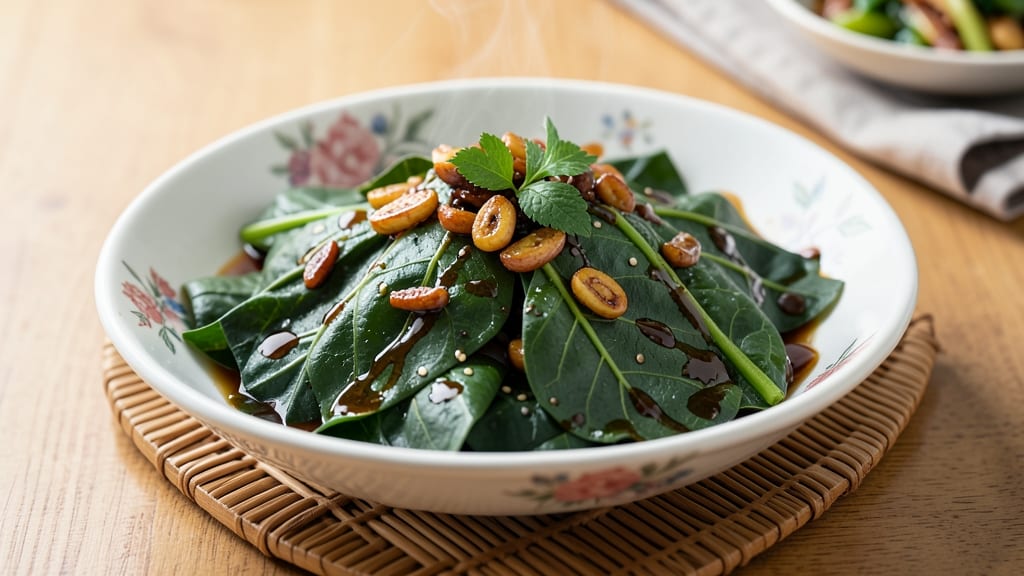
This authentic Chinese sweet potato leaves recipe transforms humble greens into a vibrant, aromatic side dish with a perfect balance of garlic, ginger, and umami depth. 🌱 The secret lies in proper preparation—washing the leaves thoroughly, blanching to soften them, and stir-frying until tender-crisp with a fragrant garlic-ginger base.
Unlike many Western adaptations, this method preserves the leaves' natural earthiness while enhancing their sweetness through high-heat cooking. What sets this recipe apart is its attention to traditional techniques, including the optional addition of fermented black beans or chili for a regional twist.
The leaves develop a satisfying texture—just tender enough to bite through—while absorbing the aromatic marinade. This dish pairs beautifully with steamed rice, tofu, or noodles, making it a well-rounded vegetarian option (though soy-based seasonings are typical).
The result is a dish that’s both restaurant-quality at home and deeply rooted in Chinese culinary tradition. The garlic-ginger kick elevates simple greens into something special, while the method ensures no bitterness remains. Perfect for weeknight dinners or special occasions, this recipe delivers flavor without complexity.
For best results, use young sweet potato leaves—older ones may be tougher. Let’s get cooking!
Ingredients for sweet potato leaves chinese
These vibrant greens and aromatic spices create a restaurant-quality Chinese side dish with bold flavors.
| Ingredient | Amount | Notes |
|---|---|---|
| Sweet Potato Leaves 🌿 | 12 oz | Young leaves preferred, stems removed |
| Garlic Cloves 🧄 | 6 cloves | Minced for aromatic base |
| Fresh Ginger 🌿 | 1 ½ tbsp | Finely grated, peeled |
| Light Soy Sauce 🥢 | 2 tbsp | For umami depth |
| Sesame Oil 🫒 | 1 ½ tbsp | Toasted for aroma |
| Oyster Sauce 🍜 | 1 ½ tbsp | Vegetarian version preferred |
| White Rice Vinegar 🍶 | 1 tbsp | Brightens flavors |
| Sugar 🍬 | 1 tsp | Balances acidity |
| Vegetable Oil 🫒 | 2 tbsp | High smoke point |
| Red Chili Flakes 🌶️ | ½ tsp | Optional for heat |
| Salt 🧂 | ½ tsp | Kosher or sea salt |
| Fresh Cilantro 🌿 | ¼ cup | Chopped for garnish |
The sweet potato leaves are the star—younger leaves are more tender and sweeter, so ask your Asian market for fresh batches. If you can't find them, substitute spinach or Swiss chard, but they won't have the same earthy depth. For the garlic and ginger, freshly minced beats pre-minced—the flavor is exponentially better. I always grab my ginger at Whole Foods or Trader Joe's where it's consistently fresh. The leaves should be bright green, not wilted, and stems should be tender enough to bite through.
No vegetarian oyster sauce? Substitute with 1 tbsp soy sauce plus 1 tsp mushroom sauce for a similar umami punch. The sesame oil is non-negotiable for that nutty aroma—toasted sesame oil is best, but regular works in a pinch. Short on rice vinegar? Apple cider vinegar at half the amount gives a similar tang. The red chili flakes are optional but add a nice kick—Lao Gan Ma is my go-to brand for authentic heat. If you're feeling adventurous, fermented black beans add a funky depth that's worth hunting down at a Chinese grocery store.
Prep the leaves ahead to save time—blanch them for 2 minutes before stir-frying to soften. The cooked dish keeps well in the fridge for 3-4 days in an airtight container, though it's best enjoyed fresh. For leftovers, reheat gently in a wok with a splash of water to revive the crispness. This pairs perfectly with steamed rice, tofu, or noodles—double the batch if you're serving it as a main with protein.
Why You'll Love This Recipe
- One-Pan Magic: I swear by this recipe because it’s that simple—just toss the leaves, garlic, and ginger in a hot wok, splash on soy sauce, and finish with sesame oil. No fancy prep, no mess, and honestly? The wilted greens taste like they simmered all day.
- Umami Bomb: That first bite of garlic-sizzled leaves with the nutty hit of sesame oil? It’s the kind of flavor that makes you pause mid-chew. The ginger adds a little warmth, but the soy sauce ties everything together—savory, salty, and just right.
- Leftover Goldmine: Between us, this dish tastes even better the next day. I make a big batch on Sundays, and it’s my go-to for quick lunches or stir-fry fixings all week. Reheat it, toss with rice, or eat straight from the fridge—no one complains.
- Budget Stunner: Sweet potato leaves are cheap, hearty, and packed with nutrients, but they still feel special. A few cloves of garlic, a thumb of ginger, and a splash of soy sauce stretch into a meal that costs next to nothing. My wallet and my family thank me.
Step-by-step instructions for wok-sizzled sweet potato greens
Transform humble sweet potato leaves into a restaurant-worthy stir-fry with bold garlic-ginger flavors.
🔥 Step 1: Prep the Greens and Aromatics
Start by thoroughly washing the 12 oz sweet potato leaves under cold water to remove any dirt or sand clinging to the tender leaves. I like to separate the larger leaves into bite-sized pieces while keeping the stems intact—this makes them easier to wok and prevents overcrowding later. Pat them completely dry with paper towels; any moisture will steam the leaves instead of searing them.
While the leaves dry, peel and finely grate the 1.5 tbsp fresh ginger using a microplane or fine grater. Mince the 6 cloves garlic cloves using a sharp knife—you want tiny pieces that will dissolve into the oil without burning. Here's the thing—fresh ginger and garlic are non-negotiable for that authentic Chinese wok hei (breath of the wok) flavor. If you're using jarred ginger, toast it lightly in a dry pan first to revive its aroma.
🍳 Step 2: Build the Flavor Base
Heat a wok or large skillet over high heat until it's screaming hot. Add the 2 tbsp vegetable oil and swirl to coat the surface. When the oil shimmers and a drop of water sizzles instantly, add the minced garlic and grated ginger. Stir constantly for 30-45 seconds until the garlic turns golden and fragrant—this prevents burning and develops those complex, nutty aromas.
Immediately add the 0.5 tsp red chili flakes and 0.5 tsp salt, stirring for another 10 seconds to bloom the flavors. Here's where it gets fun—the chili flakes should just sizzle, not smoke. If you smell burning, your heat is too high. Now add the 2 tbsp light soy sauce and 1.5 tbsp oyster sauce, tossing everything together. The sauce should coat the back of a spoon but still look glossy, not clumpy.
👨🍳 Step 3: Wok the Greens to Perfect Tenderness
Add the prepared sweet potato leaves in batches, tossing them vigorously with tongs to distribute the sauce evenly. Work in 30-second bursts, letting the leaves wilt slightly between tosses. You're aiming for 2-3 minutes total cooking time—just until the leaves turn vibrant green and wilt to about half their original size. Overcooking turns them mushy; undercooking leaves them bitter.
Real talk: If your wok isn't hot enough, the leaves will steam instead of sear. You'll know it's working when you hear that satisfying sizzle and see the leaves curl slightly at the edges. The leaves should be tender enough to eat but still hold their shape—think al dente, not limp.
🥘 Step 4: Finish with Bright, Balanced Flavors
Reduce heat to medium-low and stir in the 1 tbsp white rice vinegar and 1 tsp sugar. The vinegar brightens the dish while the sugar balances the acidity and enhances the umami from the oyster sauce. Taste and adjust seasoning—you might need a splash more soy sauce if the leaves seem bland, or a pinch more salt if they're too acidic.
Drizzle in the 1.5 tbsp sesame oil and toss one final time. The oil should coat the leaves and release an intoxicating aroma. Here's the moment that matters: The dish should sing with layers of garlic, ginger, umami, and just a hint of heat. If it's too dry, add 1-2 tablespoons of water and toss gently to steam the leaves without losing their texture.
🍽️ Step 5: Serve with Fresh Herbs and Crispy Accompaniments
Transfer the greens to a serving platter and immediately sprinkle with the 0.25 cup fresh cilantro. The bright, citrusy notes of cilantro cut through the richness of the garlic and ginger, adding freshness. Serve immediately while the leaves are still vibrant and the flavors are at their peak.
For the ultimate experience, pair this with steamed jasmine rice and a side of crispy fried shallots. The contrast of textures—tender greens, fluffy rice, and crunchy shallots—elevates every bite. And don't forget the soy sauce on the side; let everyone customize their heat and saltiness to taste. This dish is all about balance, and the final presentation should look as inviting as it tastes.
Pro Tips For Making Sweet Potato Leaves Chinese
- Wilt Leaves Properly: Stems first, then leaves—drop the tough stems into boiling water for 30 seconds to soften before adding the leaves. I learned this the hard way: raw stems make the dish chewy and unappetizing, and no one wants to fight that texture.
- Blanch Leaves First: Toss the leaves in boiling water for 20 seconds, then shock in ice water before stir-frying. This removes bitterness and keeps them vibrant—my grandmother swore by it, and the difference is noticeable.
- Crush Ginger Coarsely: Use a spoon or your palm to smash the ginger into rough chunks, not a fine paste. This way, it infuses flavor without turning the dish into a ginger slurry—yes, even if you're impatient like me.
- Add Soy Sauce Late: Wait until the garlic and ginger are fragrant and the leaves are wilted before tossing in the soy sauce. Dumping it early makes the leaves soggy and dulls the garlic’s punch—trust the process.
Wine and beer pairings for this recipe
Garlic-Ginger Infused Whites
The bold garlic-ginger aromatics in this dish pair beautifully with crisp, dry white wines that can stand up to the umami depth. I always reach for a Chinese Fujian jasmine—its floral notes and delicate acidity complement the greens' earthiness without overpowering them.
If you prefer something more robust, try a Riesling from Germany with its bright citrus and mineral finish. The slight sweetness in the wine cuts through the dish's savory elements beautifully. 🍷
Light-Bodied Reds
For red wine lovers, a Pinot Noir from Oregon or New Zealand is my go-to choice—its red fruit flavors and silky texture harmonize with the dish's garlic-forward profile. The wine's natural acidity mirrors the rice vinegar in the recipe, creating a cohesive flavor experience.
Avoid heavy, tannic reds like Cabernet Sauvignon, as they'll clash with the delicate greens. A light Chianti from Italy also works well, especially if you prefer a touch of earthiness in your wine. 🍇
Craft Beer Pairings
If wine isn't your thing, a light lager like Asahi Super Dry offers a clean, crisp contrast to the dish's rich flavors. The subtle hop bitterness balances the garlic and ginger without competing.
For a more adventurous option, try a Belgian witbier—its coriander and citrus notes echo the cilantro and rice vinegar in the recipe, creating an unexpected but delightful pairing.
I've also enjoyed pairing this dish with a sour wheat beer, like Hoegaarden, for a refreshing acidity that complements the greens. 🍺
Non-Alcoholic Options
For a refreshing non-alcoholic pairing, I recommend a sparkling jasmine tea chilled to serve over ice. The floral notes enhance the dish's aromatic profile, while the effervescence cleanses the palate between bites. Alternatively, a ginger beer with a touch of honey adds warmth that complements the greens' earthy sweetness.
For something more traditional, try Chinese black tea—its malty depth pairs surprisingly well with the dish's savory-sweet balance. 🍵
Regional Chinese Pairings
In Chinese cuisine, this dish often accompanies steamed rice and hot pot broths for a complete meal. For a more regional pairing, serve with Sichuan-style pickled vegetables—their tangy crunch contrasts perfectly with the tender greens.
If you're in the mood for something heartier, pair with stir-fried tofu or dry-fried noodles to round out the meal. The key is balancing textures and temperatures—hot greens with cool pickles or warm noodles create a satisfying contrast. 🌶️
Nutrition facts
Frequently asked questions
Why do sweet potato leaves need blanching before stir-frying?
Blanching for 2 minutes softens the leaves and removes any bitterness, ensuring they wilt quickly during stir-frying. This step also helps preserve their vibrant green color and tender texture. Without blanching, older leaves can become tough and retain a bitter aftertaste.
Can I use regular spinach instead of sweet potato leaves?
Yes, but the flavor will differ—spinach lacks the earthy sweetness of sweet potato leaves. For a closer match, use Swiss chard or bok choy, which have similar textures when cooked. The garlic-ginger sauce will still work, though the dish won't have the same authentic Chinese profile.
What’s the secret to getting that “wok hei” aroma?
The key is high, dry heat and fresh aromatics. Use a wok or cast-iron skillet, heat it until smoking hot, and cook in batches. Freshly minced garlic and ginger toasted until golden (not brown) create the signature smoky aroma. Avoid overcrowding the pan to maintain proper heat.
How do I store leftovers without losing texture?
Cool the greens completely, then store in an airtight container with a damp paper towel to retain moisture. Reheat gently in a wok with 1 tbsp water over medium heat for 1-2 minutes—this revives the crisp-tender texture. Leftovers keep well for 3-4 days in the fridge.
What’s the best way to remove the bitterness from older leaves?
Soak the leaves in ice water for 10 minutes before blanching, then rinse thoroughly. For extra insurance, add 1 tsp baking soda to the blanching water—it neutralizes bitterness. Older leaves may still need longer cooking times to soften, but this method minimizes harsh flavors.