Side Dishes
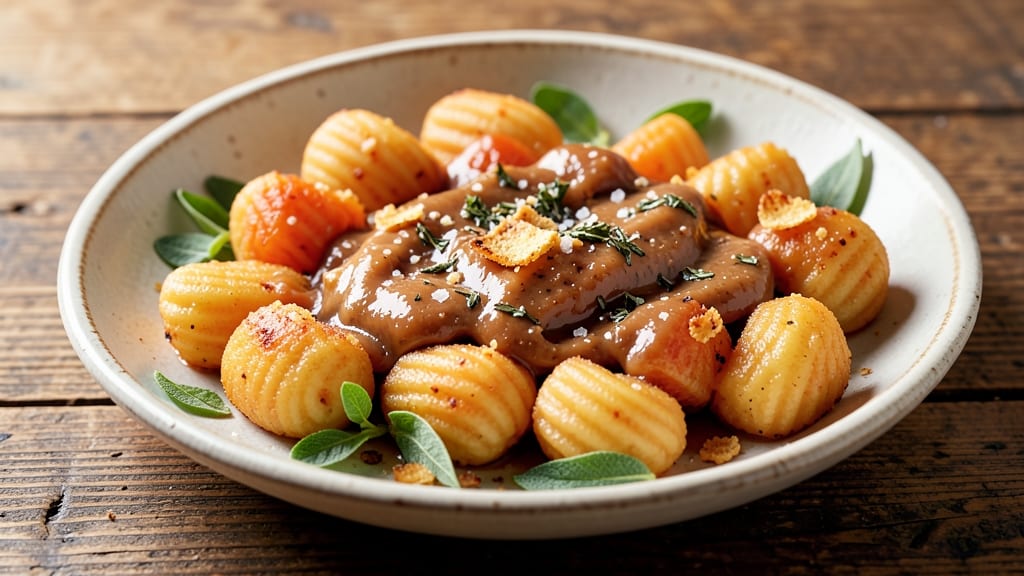
This sweet potato gnocchi with brown butter and sage recipe transforms humble ingredients into a restaurant-worthy side dish that's surprisingly simple to make. 💛 The secret lies in the dough—creamy, starchy sweet potatoes yield pillowy dumplings that cook in minutes, while the brown butter sage sauce adds rich, nutty depth that elevates every bite.
I developed this recipe after realizing how versatile sweet potatoes could be beyond roasting, and the results are nothing short of impressive.
The process starts with properly cooking and mashing sweet potatoes until completely smooth, then mixing them with flour and egg to create a light, airy dough. Shaping the gnocchi requires a gentle touch—rolling them into ropes and cutting them into uniform pieces ensures they cook evenly in boiling water.
Meanwhile, the brown butter sage sauce develops its signature nutty aroma and vibrant green flecks from fresh sage, creating a sauce that's equal parts elegant and comforting.
What makes this dish truly special is how the textures and flavors come together: tender, slightly chewy gnocchi nestled in a sauce that's rich yet bright, with crispy brown butter flecks adding contrast.
The sage infuses the butter with an earthy aroma that pairs perfectly with the sweetness of the potatoes. This recipe delivers restaurant-quality results with minimal effort, making it ideal for weeknight dinners or special occasions.
Serve this sweet potato gnocchi immediately after cooking while the sauce is still warm and fragrant. It pairs beautifully with grilled meats, roasted vegetables, or even as a vegetarian main course with a simple salad.
The combination of sweet, savory, and nutty flavors creates a dish that's both satisfying and memorable—perfect for impressing guests or treating yourself to something extraordinary.
Ingredients for sweet potato gnocchi with brown butter and sage
Eight simple ingredients create restaurant-worthy sweet potato gnocchi with rich brown butter sage sauce.
| Ingredient | Amount | Notes |
|---|---|---|
| Large Sweet Potatoes 🍠 | 2 whole | Orange-fleshed, peeled and cooked |
| All-Purpose Flour 🌾 | 2 cups | Plus 2 tbsp for dusting |
| Large Eggs 🥚 | 2 whole | Room temperature for best mixing |
| Unsalted Butter 🧈 | ¾ cup | Cold, cut into pieces |
| Fresh Sage Leaves 🌿 | ½ cup | Stems removed, loosely packed |
| Salt 🧂 | 1 tsp | Fine sea salt preferred |
| Ground Black Pepper 🌶️ | ¼ tsp | Freshly cracked preferred |
| Vegetable Oil 🫒 | 2 tbsp | For boiling water |
The sweet potatoes are the foundation—choose firm, vibrant orange ones for the best texture. Whole Foods or local farmers markets often carry the sweetest varieties. Avoid green-tinged or soft spots. Cook them until completely tender, then mash until silky smooth. The flour should be all-purpose, not cake flour—it gives the gnocchi structure without heaviness. For the butter, Plugrá or Land O'Lakes unsalted work perfectly, but any quality brand will do. The sage? Fresh is non-negotiable here—dried just won't give that vibrant aroma and color when browned.
No fresh sage? Dried thyme at half the amount works in a pinch, but the flavor won't be the same. Running short on sweet potatoes? Regular potatoes work too, though the flavor will be less sweet and the texture slightly denser. The butter can be substituted with vegan butter if needed, though the sauce won't brown as beautifully. For the gnocchi shaping, use a gnocchi board or fork to create ridges—this prevents them from sticking together. If you don't have one, a regular fork works just fine. The egg binds everything together, so don't skip it—room temperature eggs mix better and prevent lumps.
Store the gnocchi dough in the fridge for up to 2 days before shaping, covered with a damp towel. Fresh sage keeps for 5-7 days wrapped in damp paper towels. The brown butter sauce should be made fresh—it loses its nutty depth when reheated. Portion the gnocchi into single servings before freezing for easy reheating. This dish reheats beautifully—just toss the gnocchi in the sauce over medium heat for 2-3 minutes until warmed through. Leftovers keep for 3 days in the fridge or 3 months frozen.
Why You'll Love This Recipe
- No Boil Required: I swear by this trick—just mash the cooked sweet potatoes with flour and egg, no rolling or fuss. The dough’s naturally tender, and you skip the whole rolling-pin drama.
- Brown Butter Magic: That nutty, caramelized butter with crisp sage? It turns ordinary gnocchi into something ridiculously good. Honestly, the smell alone makes my kitchen feel like a restaurant.
- Weeknight Hero: Dinner guests? Date night? Leftovers for lunch? This holds up everywhere. The gnocchi reheats perfectly, and the sage butter adds freshness even the next day.
- Pantry Staples Only: Sweet potatoes, flour, eggs—ingredients you already own. No specialty items, no last-minute grocery runs. Between us, this is my go-to when I’m too tired to shop.
Step-by-step instructions for sweet potato gnocchi
Here's how to make pillowy, light gnocchi with sweet potato's natural sweetness.
👨🍳 Step 1: Make the Sweet Potato Purée
Peel and cut the 2 whole large sweet potatoes into 1-inch chunks. Boil in salted water for 15-20 minutes until fork-tender. Drain and transfer to a food processor while still warm. Add 1 teaspoon salt and pulse until completely smooth—no lumps should remain. The purée should be thick but still pourable.
I like to press the purée through a fine-mesh sieve for extra-smooth texture. Let it cool completely before using. This step ensures your gnocchi will be tender and uniform in texture rather than dense or chewy.
👨🍳 Step 2: Combine with Eggs and Flour
Transfer the cooled purée to a large bowl and let it sit for 5 minutes to cool further. Add the 2 whole large eggs and mix gently with a wooden spoon until just combined. Gradually add the 2 cups all-purpose flour and the extra 2 tablespoons for dusting, mixing just until incorporated.
Real talk: don't overmix. You want a shaggy dough that holds together when pressed but still has visible flour streaks. The dough should be soft and slightly sticky—if it's too dry, add a splash of water. If too wet, add a little more flour. This balance is key for pillowy gnocchi.
🥘 Step 3: Shape the Gnocchi
Divide the dough into 4 equal pieces and roll each piece into a ½-inch thick rope. Use a knife to cut into 1-inch pieces. I like to roll each piece gently between my palms to create ridges—this helps them hold their shape when cooking and gives that classic gnocchi texture.
If the dough feels too sticky, dust your work surface with a little flour. Don't worry if they're not perfect—they'll still taste amazing. Keep the gnocchi on a floured tray until ready to cook. This shaping step is where you build those signature pillow-like dumplings.
🍳 Step 4: Boil the Gnocchi
Bring a large pot of water to a gentle boil using the 2 tablespoons vegetable oil. Add the gnocchi in batches and cook for 2-3 minutes until they float to the surface. This means they're perfectly cooked—don't overcook or they'll turn dense. Use a slotted spoon to remove them and drain well.
I know it seems counterintuitive to use oil in the boiling water, but it prevents sticking and helps the gnocchi cook evenly. The moment they float is your cue—they're light and ready for the sauce. Keep them warm in a single layer while you prepare the brown butter.
🔥 Step 5: Brown the Butter with Sage
In a large skillet, melt the 0.75 cup unsalted butter over medium heat. Once melted, add the 0.5 cup fresh sage leaves and cook for 3-4 minutes until the butter turns golden brown and the sage leaves crisp up. Be careful not to burn the butter—it should smell nutty and aromatic.
Here's the thing: the butter will foam and bubble as it browns. Remove from heat just before it turns fully brown—you want that nutty flavor without bitterness. Add the 0.25 teaspoon ground black pepper and toss the cooked gnocchi in the skillet until coated and heated through.
Pro Tips For Making Sweet Potato Gnocchi With Brown Butter And Sage
- Boil Sweet Potatoes Until Fork-Tender: I learned this the hard way—undercooked sweet potatoes turn your gnocchi dense and gluey. Test with a fork: it should slide in like butter, not fight you. Overcooking? No problem—they’ll dry out later, but at least they’ll mash smoothly.
- Use Cold Mash, Not Hot: Dumping hot sweet potato purée into your flour mix creates steam and ruins the texture. Let it cool completely first—even 10 minutes in a bowl makes a real difference. Your gnocchi will hold shape without turning mushy.
- Brown Butter Low and Slow: Watch the heat or you’ll burn the butter before the sage infuses. Once it foams, reduce to medium-low and stir constantly—you want golden, nutty flecks, not blackened bits. The butter should smell like a forest, not a fire hazard.
- Rest Dough Before Rolling: Skipping this step means your gnocchi will tear apart when cutting. Wrap the dough in plastic and let it sit 20 minutes—it firms up just enough to handle. Yes, even if you’re impatient like me.
Troubleshooting your sweet potato gnocchi with brown butter and sage
Dough Too Sticky?
If your sweet potato gnocchi dough feels too wet and sticky, resist the urge to add extra flour all at once. Instead, sprinkle 1 tablespoon at a time while mixing gently with your hands. The goal is a soft, slightly tacky dough that holds together when pressed—not dry or crumbly.
I've found that letting the dough rest for 10 minutes in the fridge after mixing often helps it firm up naturally. 💡
Gnocchi Not Floating?
If your gnocchi aren't floating after 3 minutes of boiling, they're either undercooked or too dense. First, check your sweet potato purée—it should be completely smooth with no lumps. If the dough feels heavy, reduce the flour by 1 tablespoon next time.
Also, ensure your water is at a gentle rolling boil, not a vigorous one, which can cause the gnocchi to cook too quickly on the outside while staying raw inside.
Brown Butter Burning?
Burnt brown butter ruins the delicate nutty flavor you're aiming for. To prevent this, keep your heat at medium-low and watch closely—especially after the butter starts foaming. I like to use a 10-inch cast iron skillet because it distributes heat evenly.
If the butter smells bitter or the sage leaves darken too quickly, remove the pan immediately. For extra safety, add the sage leaves 30 seconds after melting the butter to give it a head start on browning.
Gnocchi Falling Apart?
Overmixing the dough or using too much flour can make gnocchi crumbly. For a more stable texture, handle the dough as little as possible after shaping.
If your gnocchi fall apart during cooking, try adding 1 extra tablespoon of egg yolk to the dough next time—it adds binding power without changing the flavor. Also, ensure your boiling water has 2 tablespoons of oil to prevent sticking, which can cause them to break apart.
Sage Not Infusing?
If your brown butter isn't developing that vibrant green color and earthy aroma, your sage leaves might be too fresh or not hot enough. Bruise the leaves slightly between your fingers before adding them to the butter, and make sure your pan is hot enough to crisp the edges.
For maximum flavor, use freshly picked sage (not store-bought) and add it when the butter is just starting to foam. If needed, increase heat to medium-high for 30 seconds to kickstart the browning process. 🌿
Sauce Too Thin?
A watery sauce happens when the gnocchi releases too much moisture. To fix this, reduce the sauce immediately by simmering it uncovered for 1-2 minutes until slightly thickened. For prevention, pat the cooked gnocchi dry with a clean kitchen towel before adding them to the butter.
If you're serving this as a vegetarian main, consider adding ¼ cup grated Parmesan to the sauce to add body and richness. The sauce should coat the back of a spoon but still be pourable—not gloppy.
Nutrition facts
Frequently asked questions
Can I make this recipe gluten-free?
Yes! Replace the all-purpose flour with a 1:1 gluten-free flour blend (like Bob's Red Mill) and add ½ teaspoon xanthan gum to help bind the dough. You may need to adjust the amount slightly—start with 1¾ cups instead of 2 cups and add more as needed. The texture will be slightly different but still delicious.
How do I store leftover gnocchi?
Cooked gnocchi can be stored in an airtight container in the fridge for 3 days or frozen for 3 months. For freezing, spread them on a tray first to prevent sticking, then transfer to a bag. Reheat in the brown butter sauce over medium heat for 2-3 minutes—they'll absorb the flavors beautifully. Never refreeze thawed gnocchi.
Can I use regular potatoes instead of sweet potatoes?
For a neutral flavor, use Yukon Gold or russet potatoes—they'll give you classic gnocchi texture. Sweet potatoes add natural sweetness and vibrant color, but regular potatoes work perfectly for a traditional version. Just reduce the cooking time by 5 minutes since they cook faster.
What's the best way to reheat this dish?
For the best results, reheat both components separately. Warm the gnocchi in a dry skillet over medium heat for 1-2 minutes until heated through. Reheat the brown butter sauce separately (without sage) over low heat until melted, then combine with the gnocchi and crisp the sage leaves again briefly. This keeps the textures perfect—no soggy gnocchi!
Can I make this ahead of time?
You can prep the dough 1 day ahead and store it wrapped in plastic in the fridge. Shape the gnocchi just before cooking, or freeze them raw on a tray first. For the sauce, make it fresh—it's best when the butter is still aromatic. The gnocchi reheat beautifully, but the brown butter loses its nutty depth when made ahead. Plan to cook everything fresh for maximum flavor.