
Desserts
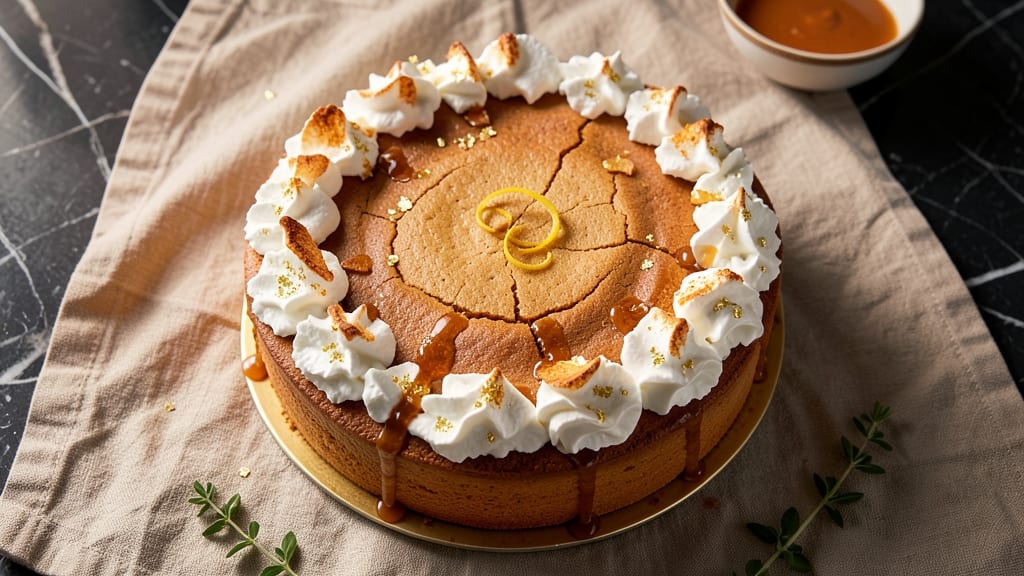
This sweet potato chiffon cake recipe delivers the perfect balance of light-as-air layers and a moist center that melts in your mouth. The secret lies in whisking egg whites to stiff peaks and carefully folding in sweet potato purée for natural sweetness and moisture.
Unlike dense cakes, this recipe creates a delicate, airy texture that feels almost ethereal.
What sets this chiffon cake apart is the technique—whipping egg whites to maximum volume creates those signature air pockets, while the sweet potato purée adds natural sweetness without overpowering the delicate structure.
The cake bakes in a single layer, rising dramatically to create a towering dessert that's impressive yet simple to make. With just a few precise steps, you'll achieve professional results every time.
The final product is a cake with a tender, moist center that contrasts beautifully with the crisp outer layers. The natural sweetness of the sweet potato shines through, creating a dessert that's subtly spiced and perfectly balanced.
This recipe is ideal for special occasions or when you want to impress with a dessert that looks and tastes like it came from a bakery.
For added warmth, consider incorporating spices like cinnamon or nutmeg into the batter, which complement the sweet potato beautifully. Serve with a dusting of powdered sugar or a light glaze for an elegant finish. The cake keeps well for a few days, making it perfect for meal prep or gifting.
Ingredients for sweet potato chiffon cake
Light-as-air layers meet moist sweet potato richness—just 13 ingredients for bakery-quality chiffon cake.
| Ingredient | Amount | Notes |
|---|---|---|
| Large Egg Whites 🥚 | 12 whole | Room temperature, pasteurized if preferred |
| Large Egg Yolks 🥚 | 4 whole | Room temperature, separated carefully |
| Granulated Sugar 🍚 | 1 ½ cups | Superfine preferred for smooth texture |
| Sweet Potato Purée 🍠 | 1 cup | Homemade or high-quality canned |
| All-Purpose Flour 🌾 | 1 ½ cups | Sifted for lightness, plus extra for pan |
| Unsalted Butter 🧈 | ½ cup | Room temperature, European preferred |
| Vanilla Extract 🌿 | 2 tsp | Pure Madagascar or bourbon vanilla |
| Cream of Tartar 🧂 | ½ tsp | Stabilizes egg whites for stiff peaks |
| Cinnamon 🌶️ | 1 tsp | Ground, for subtle warmth |
| Salt 🧂 | ¼ tsp | Fine sea salt, for balance |
| Powdered Sugar 🍚 | ½ cup | For dusting, confectioners' grade |
| Vegetable Oil 🫒 | 1 tbsp | For greasing chiffon pan |
| Cake Flour 🌾 | ½ cup | Optional for lighter texture |
The egg whites are non-negotiable here. Room temperature is key—cold whites won't whip properly. Pasteurized eggs are ideal if you're concerned about raw egg safety, but fresh works too. For the purée, homemade is best—simmer peeled sweet potatoes until tender, then blend until silky. Canned works in a pinch, but avoid those with added sugar or salt. The flour should be sifted thoroughly—this chiffon relies on lightness, and lumps will weigh it down. If you're feeling fancy, swap half the all-purpose flour for cake flour—it's worth the extra buck for that signature tenderness.
No cream of tartar? Lemon juice at half the amount works as a stabilizer, though it'll add a slight tang. Substituting cake flour? Add 1 tsp cornstarch per cup of all-purpose to mimic its protein structure. For the sweet potato, if you can't find plain purée, roast your own—just microwave a peeled potato for 8-10 minutes, mash, and strain out any lumps. The butter should be room temperature—press it gently, and it should hold its shape but still be pliable. If it's too soft, chill it 15 minutes. For a nutmeg kick, add 0.25 tsp ground nutmeg along with the cinnamon—it pairs beautifully with sweet potato.
This cake is a one-and-done—bake it, let it cool, and slice. Store wrapped at room temperature for 2 days or refrigerated for up to 5 days. For longer storage, freeze slices wrapped in plastic for up to 3 months. The texture changes slightly when frozen—best reheated at 350°F for 10 minutes to restore moisture. Pro tip: Dust with powdered sugar right before serving—it dissolves into the warm cake for an elegant finish. Leftovers? Toss in the freezer for quick breakfast toasts—just warm and top with whipped cream.
Why You'll Love This Recipe
- No Stand Mixer Needed: I’ll admit, beating egg whites to stiff peaks used to intimidate me—until I realized this chiffon only needs a whisk and my arm. The sweet potato purée does half the work by keeping the texture light without heavy mixing.
- Moisture That Lasts: That purée isn’t just flavor—it’s the secret to a cake that stays tender for days. No dry crumb here; it’s the kind of cake that’s still perfect for breakfast the next morning, even if you slice it too thin.
- Budget-Friendly Elegance: Sweet potatoes and eggs? This cake costs a fraction of boxed mixes but looks like you slaved over it. Honestly, my grocery bill thanks me every time I bake this instead of something fancier.
- One-Bowl Wonder: Four ingredients, one bowl, zero cleanup battles. The yolks and sugar get whipped first, then the whites fold in like meringue—no extra dishes, no stress. (Yes, even on a Tuesday night.)
Step-by-step instructions for sweet potato chiffon cake
Here's the method for achieving that signature light-as-air texture with a perfectly moist center—every detail matters.
Prepare the Chiffon Pan and Separate the Eggs
Begin by greasing a 10-inch chiffon pan thoroughly with the 1 tablespoon vegetable oil, coating both the sides and bottom completely. I use a pastry brush for even distribution—no missed spots here. This prevents sticking and ensures clean release later.
Next, separate the 12 whole large egg whites from the 4 whole large egg yolks, placing each in separate bowls. Let them sit at room temperature for 10 minutes before proceeding. Room temperature eggs whip up much better than cold ones, and this small step makes a huge difference in your chiffon's structure. I always use a wire whisk for separation to avoid any accidental mixing.
Whip the Egg Whites to Stiff Peaks
In a clean, grease-free bowl, combine the 12 whole large egg whites with the 0.5 teaspoon cream of tartar. This acid stabilizer is crucial—it helps the egg whites reach those signature stiff peaks. Using a stand mixer fitted with the whisk attachment, beat on low speed until frothy, then gradually increase to high speed.
Whip for 5-7 minutes until the egg whites form stiff peaks that hold their shape when the whisk is lifted. The mixture should be glossy and hold a peak that doesn't flatten immediately. If you're unsure, test by lifting the whisk—if the peak stands straight up, you're ready. This step is non-negotiable for that signature chiffon texture.
Mix the Yolk Batter and Fold in Egg Whites
In a separate large bowl, combine the 4 whole large egg yolks, 1.5 cups granulated sugar, 1 cup sweet potato purée, 1.5 cups all-purpose flour, 0.5 cup unsalted butter (softened), 2 teaspoons vanilla extract, 1 teaspoon cinnamon, and 0.25 teaspoon salt. Mix with a hand mixer on low speed for 1-2 minutes until just combined—don't overmix or the batter will become dense.
Now, gently fold one-third of the whipped egg whites into the yolk mixture using a spatula, cutting through the center to maintain air incorporation. After combining, add another third and fold gently, then finish with the remaining egg whites. Fold just until no white streaks remain—this preserves that airy structure we worked so hard to create. Be patient; rushing this step collapses the batter.
Bake for Perfect Texture and Moisture
Preheat your oven to 325°F. Carefully pour the batter into the prepared chiffon pan, smoothing the top with a spatula. Place the pan in a deep baking dish and fill the dish with hot water until it reaches halfway up the sides of the chiffon pan. This water bath ensures even heat distribution and that signature moist center.
Bake for 50-60 minutes, or until the top springs back when gently pressed and a toothpick inserted comes out clean. The cake should pull away slightly from the sides of the pan, indicating it's fully set. I always check at the 50-minute mark—every oven runs hot or cold, so adjust accordingly. The sweet potato purée keeps this cake incredibly moist, so don't overbake or it'll dry out.
Cool and Dust for Finishing Touches
Remove the cake from the water bath and let it cool in the pan for 10 minutes. Then, invert the cake onto a wire rack and let it cool completely for 1 hour. This gradual cooling prevents collapse. Once fully cooled, dust the top and sides generously with the 0.5 cup powdered sugar for that classic chiffon finish.
Slice carefully with a serrated knife—this cake is delicate but worth the effort. The result should be light-as-air layers with a perfectly moist center, where each bite delivers that sweet potato flavor without being overly dense. Serve with fresh berries or a dollop of whipped cream for the ultimate dessert experience.
Pro Tips For Making Sweet Potato Chiffon Cake
- Whip Whites to Stiff Peaks: I learned this the hard way—under-whipped egg whites fold into a dense mess. Use a stand mixer with the whisk attachment (not hand-whipped) and beat until the meringue holds its shape when you lift the bowl. For this cake, stiff peaks are non-negotiable, even if it takes 5-7 minutes.
- Strain That Purée: Lumpy sweet potato purée ruins the texture. After roasting or boiling, strain it through a fine-mesh sieve to remove any skin or fiber. Trust me, your cake will be silky instead of grainy—no one wants to taste the work you skipped.
- Room-Temp Eggs Always: Cold egg whites won’t whip properly, and cold yolks won’t emulsify smoothly. Take them out of the fridge 30 minutes before mixing—yes, even if you’re impatient like me. The difference in volume and stability is night and day.
- Grease the Pan Twice: Chiffon cakes stick when the pan isn’t properly prepped. Brush with oil first, then dust with flour, tapping out the excess. I skip this step sometimes, and the cake tears when I try to unmold it—don’t be that person.
Essential equipment for this recipe
Chiffon Pan Essentials
The 10-inch chiffon pan is non-negotiable for this recipe—it creates the signature towering shape and even rise. I recommend a non-stick pan like the Wilton Chiffon Pan for easy release, but any well-seasoned pan works. Avoid glass or ceramic—they don't distribute heat evenly, risking uneven baking.
Grease it thoroughly with 1 tbsp vegetable oil using a pastry brush, including the sides and bottom. For extra insurance, dust with 1 tbsp flour after greasing to prevent sticking. 🥄
Stand Mixer Must-Have
A stand mixer with a whisk attachment is your best friend for stiff egg whites—nothing beats the power of a KitchenAid Artisan Series for this job. If you're on a budget, the Cuisinart SM-50 delivers similar results. Avoid hand whisks for large batches—they can't generate enough air.
For the egg whites, use a clean, grease-free bowl (even a trace of fat prevents proper whipping). I like to add the cream of tartar while mixing to stabilize the whites faster.
Baking Dish for Water Bath
You'll need a deep baking dish that can hold your chiffon pan with hot water reaching halfway up its sides. A 9x13-inch glass or metal baking dish works perfectly. The water bath creates steam for even baking and that signature moist center.
I use a double boiler setup—place the chiffon pan in the baking dish, then add boiling water. This method is foolproof for preventing dryness in the center.
Wire Rack for Cooling
After baking, let the cake cool in the pan for 10 minutes, then invert it onto a wire cooling rack. I prefer a large, sturdy rack like the OXO Good Grips to support the cake's weight.
This gradual cooling prevents collapse—chiffon cakes are delicate! Place the rack on a baking sheet to catch any sugar dust that might fall. Never skip this step—rushing cooling can ruin your cake's structure.
Spatula for Folding
A flexible silicone spatula (like the OXO Good Grips) is ideal for gently folding egg whites into the batter. Its flexible edge helps maintain air pockets without deflating them. Use a large spatula—about 12 inches—to cut through the center of the batter when folding.
I fold in three additions (one-third at a time) to preserve the airy texture. Avoid metal spatulas—they can tear the delicate egg whites.
Powdered Sugar Sifter
For that professional dusting of powdered sugar on top, use a fine-mesh sifter like the Norpro 3-in-1 Sifter. This ensures an even, cloud-like layer that dissolves beautifully into the warm cake. I sift ½ cup powdered sugar through a fine sieve held over the cake.
For extra flair, dust the sides of the cake too—it looks stunning and adds to the chiffon aesthetic. Store any leftover powdered sugar in an airtight container to keep it fresh. ✨
Nutrition facts
Frequently asked questions
Can I substitute sweet potato purée with mashed regular potatoes?
No, this won't work for the chiffon texture. Regular potatoes contain more starch and moisture, which will make the cake dense instead of light and airy. The natural sweetness and lower moisture content of sweet potato purée are essential for achieving that signature chiffon structure. For a similar flavor, try using 1 cup pumpkin purée instead—it has a comparable consistency and sweetness.
Why did my sweet potato chiffon cake collapse?
Collapse usually happens from one of three issues: overmixing the batter, not folding the egg whites gently, or cooling the cake too quickly. The egg whites must be folded in carefully in three additions—rushing this step deflates the air pockets. Also, let the cake cool in the pan for 10 minutes before inverting, and never place it in the fridge while still warm. For extra support, chill the inverted cake in the fridge for 30 minutes after cooling.
How can I make this cake gluten-free?
Replace the all-purpose flour with a 1:1 gluten-free baking flour blend (like Bob's Red Mill) plus 1 teaspoon xanthan gum to mimic the structure. For the 1.5 cups all-purpose flour in the recipe, use 1.5 cups gluten-free blend. You may also need to reduce the liquid slightly—start with 0.75 cup sweet potato purée instead of 1 cup, as gluten-free flours absorb moisture differently. Test with a small batch first to adjust the texture.
Can I bake this cake in a regular round pan instead of a chiffon pan?
Technically yes, but the texture and rise won't be the same. A 9-inch round cake pan would work, but you'll lose the signature tall, airy structure. Grease the pan thoroughly and bake at 325°F for 40-45 minutes instead. The cake will be more like a dense pound cake rather than the delicate chiffon you're aiming for. For best results, stick with the chiffon pan—it's designed to create those light-as-air layers.
How do I store leftover sweet potato chiffon cake?
Wrap the cake tightly in plastic wrap or aluminum foil and store at room temperature for up to 2 days. For longer storage, refrigerate for up to 5 days or freeze slices for up to 3 months. To revive frozen slices, thaw at room temperature for 1 hour or warm in the oven at 350°F for 10 minutes to restore moisture. Avoid storing it in the fridge for more than 5 days—the cold can make the texture dry out faster.