
Side Dishes
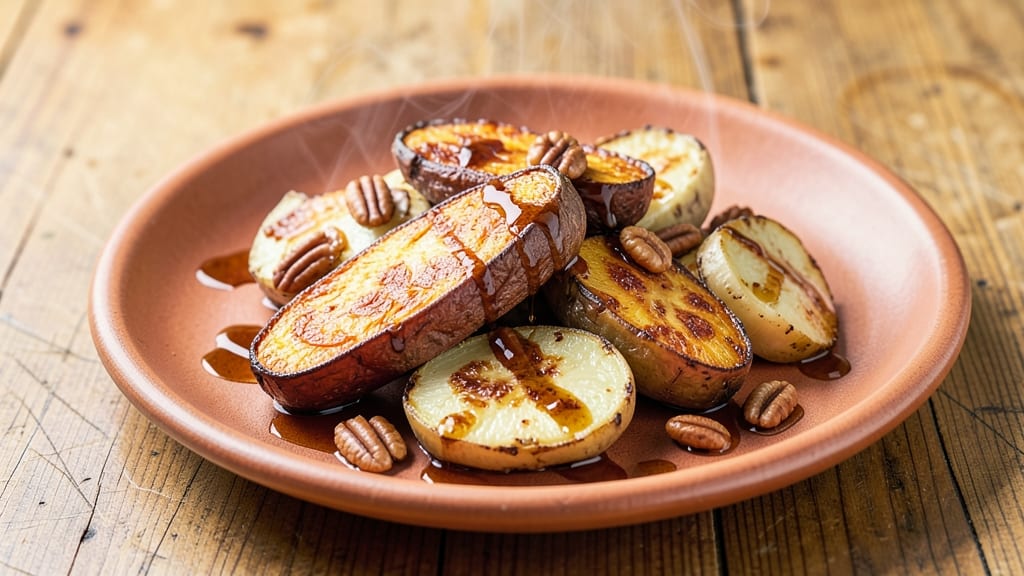
This sweet potato and rutabaga recipe transforms humble roots into a vegetarian centerpiece with caramelized edges and nutty crunch—perfect for elevating any meal.
The secret lies in roasting them together until tender yet firm, then finishing with toasted pecans and a bright citrus glaze that balances their natural sweetness and earthiness.
What makes this dish special is how it turns simple ingredients into something restaurant-worthy, with layers of texture and flavor that keep everyone reaching for seconds.
The technique is straightforward but yields profoundly satisfying results: sweet potatoes develop a golden caramelization while rutabaga stays tender-crisp, creating a perfect contrast. A quick glaze of maple and Dijon adds depth, while toasted pecans introduce a satisfying crunch that cuts through the richness.
This dish works equally well as a main course (paired with a simple salad) or a side dish (next to grilled chicken or fish), making it versatile enough for weeknight dinners or holiday tables.
What you'll end up with is a visually stunning plate of caramelized roots topped with glistening glaze and crunchy pecans, their aromas filling your kitchen with warmth.
The sweetness of the potatoes pairs beautifully with the subtle bitterness of rutabaga, while the pecans add a textural finish that makes every bite exciting. It's the kind of dish that feels indulgent yet remains light enough for any season.
Best of all, this recipe comes together in under 45 minutes with minimal hands-on time, making it ideal for busy cooks who still want impressive results. The roasting method ensures deep flavor development without requiring advanced skills, and the glaze can be made ahead for even more convenience.
Ready to transform these roots into a showstopper?
Ingredients for sweet potato and rutabaga
Roasted roots meet nutty crunch and citrus brightness in this vegetarian showstopper.
| Ingredient | Amount | Notes |
|---|---|---|
| Sweet Potatoes 🍠 | 2 lbs | Medium, unpeeled, cut into 1.5-inch cubes |
| Rutabagas 🥕 | 2 lbs | Peeled, cut into 1-inch chunks |
| Extra-Virgin Olive Oil 🫒 | ½ cup | For roasting and glaze |
| Maple Syrup 🍯 | ¼ cup | Grade B for deeper flavor |
| Dijon Mustard 🍯 | 1 tbsp | For glaze depth |
| Pecans 🥜 | ½ cup | Toasted, roughly chopped |
| Orange Zest 🍊 | 1 tbsp | From 1 large orange |
| Orange Juice 🍊 | ¼ cup | Freshly squeezed |
| Kosher Salt 🧂 | 1 ½ tsp | Diamond Crystal preferred |
| Freshly Ground Black Pepper 🌶️ | ½ tsp | Freshly cracked for aroma |
| Smoked Paprika 🌶️ | ½ tsp | For subtle smokiness |
| Garlic Cloves 🧄 | 3 cloves | Minced for glaze |
The rutabagas and sweet potatoes are the stars here—look for firm, vibrant roots with no soft spots. Trader Joe's and Whole Foods carry excellent organic options, but any well-stocked grocery store should have them. Pecans? Toast them yourself—the aroma alone makes this dish worth it. Skip the pre-toasted bags; fresh-toasted pecans add a depth you won't find in store-bought. For the orange, Navel or Valencia work best—their sweetness balances the earthy roots perfectly. If you can't find Grade B maple syrup, Grade A will work, but the flavor won't be quite as rich.
No rutabagas? Substitute extra sweet potatoes or parsnips—just reduce the roasting time by 10 minutes. Short on pecans? Walnuts or almonds add a different crunch, though pecans' buttery texture is ideal. The glaze can be made ahead, but toast the pecans fresh before serving for maximum crunch. For a quicker version, swap the maple-Dijon glaze for 1 tbsp tahini + 1 tsp honey substitute (like agave). The smoked paprika is non-negotiable—it's what gives this dish its restaurant-worthy depth, so don't skip it.
Roasted roots keep 3-4 days in the fridge, but the glaze should be made fresh to maintain its gloss. Portion pecans separately if you're making this ahead—they go stale fast. For a holiday table, double the recipe and roast the roots in batches on the same sheet pan. The glaze reheats beautifully, so you can assemble everything just before serving. This dish tastes even better the next day—plan ahead if you're serving a crowd.
Why You'll Love This Recipe
- One-Pan Magic: I swear by this recipe when I’m too tired to scrub pots—just toss the chunks in a single pan, roast until golden, and boom, dinner’s done. The sweet potatoes caramelize while the rutabagas stay tender, and honestly? The cleanup couldn’t be simpler.
- Sweet-Savory Balance: That maple syrup glaze cuts through the earthy rutabaga like a dream, and the Dijon mustard adds a tangy kick that makes it ridiculously addictive. It’s not too sweet, not too sharp—just perfectly layered, like a hug in food form.
- Weeknight Workhorse: Between us, this is my go-to when I need something hearty but still feels special. Double the batch, reheat it for lunch the next day, or serve it at a potluck—no one will guess it’s this unfussy. (Yes, even on a Tuesday night.)
- Budget-Friendly Luxury: Sweet potatoes and rutabagas stretch my grocery budget without sacrificing flavor, and the olive oil and maple syrup elevate them to feel like a splurge. Three meals out of one pan? That’s my kind of smart spending.
Step-by-step instructions for caramelized sweet potatoes and rutabagas
Transform humble roots into a showstopping dish with deep caramelization and nutty crunch.
Prep and Season the Vegetables
Start by preheating your oven to 425°F and line two large baking sheets with parchment paper. This high temperature will create that perfect caramelized crust we're after. While the oven heats, pat the 2 lbs sweet potatoes and 2 lbs rutabagas completely dry with paper towels—this ensures maximum crispiness when roasted.
Cut the sweet potatoes into 1.5-inch cubes and the rutabagas into 1-inch chunks as specified. Place them in a large bowl and toss gently with 0.5 cup extra-virgin olive oil, 1.5 tsp kosher salt, 0.5 tsp freshly ground black pepper, and 0.5 tsp smoked paprika. The oil will help develop that beautiful caramelization while the spices add depth. Spread the vegetables evenly on the prepared baking sheets, leaving about ½ inch between pieces for even cooking.
Roast Until Deeply Caramelized
Roast the vegetables for 30 minutes, then carefully flip each piece with a spatula. This is crucial for even browning—you want color on all sides. After another 20-25 minutes, check for doneness. The edges should be deep golden brown to almost black in spots, and the vegetables should feel tender when pierced with a fork. If they're not quite there, return them to the oven for 5-10 more minutes.
Here's the thing—don't rush this step. The longer you roast, the more complex the flavors become. The sweet potatoes should be almost jammy inside while maintaining a crisp exterior, and the rutabagas should have that perfect balance of caramelization and tenderness. If you pull them out too early, you'll miss out on that incredible depth of flavor.
Make the Orange-Maple Glaze
While the vegetables roast, make the glaze by combining 0.25 cup maple syrup, 1 tbsp Dijon mustard, 1 tbsp orange zest, 0.25 cup orange juice, and the 3 minced garlic cloves in a small saucepan. Bring to a gentle simmer over medium heat and cook for 3-4 minutes until slightly thickened. The glaze should coat the back of a spoon but still be pourable.
Taste and adjust seasoning—you might want to add a pinch more salt or a splash of orange juice if it's too thick. This glaze is what ties all the flavors together, adding brightness and complexity. Keep it warm while you finish the vegetables, but don't let it boil vigorously or it'll lose its delicate balance of sweet and tangy.
Toss and Toast the Pecans
In a dry skillet over medium heat, toast the 0.5 cup pecans for 3-4 minutes until fragrant and just beginning to turn golden. Watch them closely—they burn quickly! Remove from heat and let cool slightly, then roughly chop them with a knife. The toasted pecans will add a wonderful crunch and nutty contrast to the tender vegetables.
While the pecans toast, transfer the roasted vegetables to a large bowl. Drizzle with the warm orange-maple glaze and toss gently to coat. The glaze should cling to the vegetables and enhance their natural sweetness. If the vegetables seem dry, add a splash of water or orange juice to loosen the glaze slightly.
Finish and Serve
Return the glazed vegetables to the baking sheets and broil for 2-3 minutes until the glaze bubbles slightly and the tops become glossy. This final step intensifies the flavors and gives everything a beautiful finish. Sprinkle with the toasted, chopped pecans and serve immediately while warm.
Each bite should deliver a perfect balance of caramelized sweetness, earthy rutabaga, creamy sweet potato, and the bright citrus notes from the glaze. The pecans add that essential crunch that keeps the dish from feeling too heavy. Serve with a simple green salad or crusty bread to round out the meal—this dish is hearty enough to stand on its own but pairs beautifully with lighter sides.
Pro Tips For Making Sweet Potato And Rutabaga
- CUT RUTABAGAS SMALL: I learned this the hard way—big chunks of rutabaga stay tough no matter how long you roast them. Aim for 1.5-inch cubes so they caramelize evenly and absorb the maple syrup like a sponge.
- ROAST AT 400°F NOT HIGHER: Sweet potatoes burn faster than rutabagas, and 425°F turns them into charcoal while the rutabagas stay raw. Stick to 400°F and flip them once—they’ll crisp up perfectly without turning to ash.
- SALT THE ROOTS FIRST: Skip salting until after roasting, and the rutabagas will taste bland. Toss them with 1 tsp salt per pound right after cutting—it draws out moisture, making them crispier and sweeter when they hit the oven.
- DRIZZLE MAPLE LAST: Adding maple syrup too early makes sweet potatoes soggy. Roast them until tender (about 25 minutes), then toss with the syrup and mustard in the last 5 minutes—this keeps the edges caramelized, not sticky.
Storing and reheating your leftovers
Refrigerator Storage
Store your roasted sweet potatoes and rutabagas in an airtight container for up to 4 days in the refrigerator. The glaze will keep them moist, but I recommend adding a splash of orange juice before sealing to maintain freshness.
Keep the toasted pecans in a separate container—they lose crunch when stored with the vegetables. 🥕
Let the dish cool completely before refrigerating to prevent condensation, which can make the vegetables soggy. When reheating, I find medium-low heat works best to avoid drying out the roots. The flavors actually deepen overnight, so leftovers often taste even better!
Freezer Storage
For longer storage, freeze the roasted vegetables without the glaze in a single layer on a baking sheet before transferring to a freezer-safe bag for up to 3 months.
The glaze should be made fresh after thawing—it reheats beautifully but loses its gloss when frozen. Label your bag with the date to track freshness. ❄️
To reheat from frozen, transfer the vegetables to a baking dish, cover with foil, and bake at 350°F for 20-25 minutes until heated through. Add the glaze and toasted pecans just before serving to preserve texture. This method works perfectly for meal prep!
Reheating Methods
For stovetop reheating, place the vegetables in a skillet with 1 tablespoon olive oil and heat over medium-low for 5-7 minutes, stirring occasionally. Add a splash of water or orange juice if they seem dry.
The glaze can be reheated separately in a small saucepan over low heat for 2-3 minutes. 🔥
Microwave reheating is quick but less ideal—cover with a damp paper towel and heat in 30-second intervals until warmed through. The texture won't be as crisp, but it's a great option for busy weeknights. Always add the pecans fresh to maintain their crunch.
Make-Ahead Glaze
Make the orange-maple glaze ahead of time and store it in a small jar in the fridge for up to 5 days. Reheat gently before using to preserve its thickness and flavor balance.
I often prep this the night before to save time on cooking day. The glaze's acidity from the orange juice helps tenderize the vegetables further when reheated. 🍯
If you're prepping for a crowd, roast the vegetables fully, then store them in the fridge for up to 3 days. Reheat and glaze just before serving to ensure the best texture and presentation. The pecans should always be toasted fresh—they're the secret to that perfect crunch!
Nutrition facts
Frequently asked questions
Can I substitute rutabagas with another vegetable?
Yes! If rutabagas are unavailable, try parsnips or extra sweet potatoes—just reduce roasting time by 5-10 minutes. For a different flavor, beets or carrots work too, though they'll need more glaze to balance their natural sweetness. The key is maintaining that tender-crisp texture.
Why does my glaze turn too thick or too thin?
Thick glaze? Add 1 tsp orange juice or water while reheating. Too thin? Simmer for 1-2 extra minutes to reduce. The ideal consistency coats the back of a spoon but remains pourable. For best results, taste as you go—adjust with maple syrup for thickness or citrus for tang.
How do I make this dish vegan?
Swap the Dijon mustard for vegan mustard and use vegan butter (1 tsp) in the glaze instead of maple syrup. Replace pecans with toasted walnuts or almonds. The orange zest and citrus glaze remain vegan-friendly. All other ingredients are naturally plant-based!
Can I roast these vegetables in the same pan?
Technically yes, but I recommend separate pans for even browning. Rutabagas cook faster than sweet potatoes, so using two pans ensures perfect caramelization. If you must share a pan, roast rutabagas first for 20 minutes, then add sweet potatoes and continue roasting.
What's the best way to serve this as a main dish?
Pair with a bright green salad (arugula + lemon vinaigrette) and crusty sourdough to balance the richness. For protein, add grilled halloumi or chickpeas. The citrus glaze makes it naturally refreshing enough to stand alone—just serve with extra pecans for crunch!