
Side Dishes
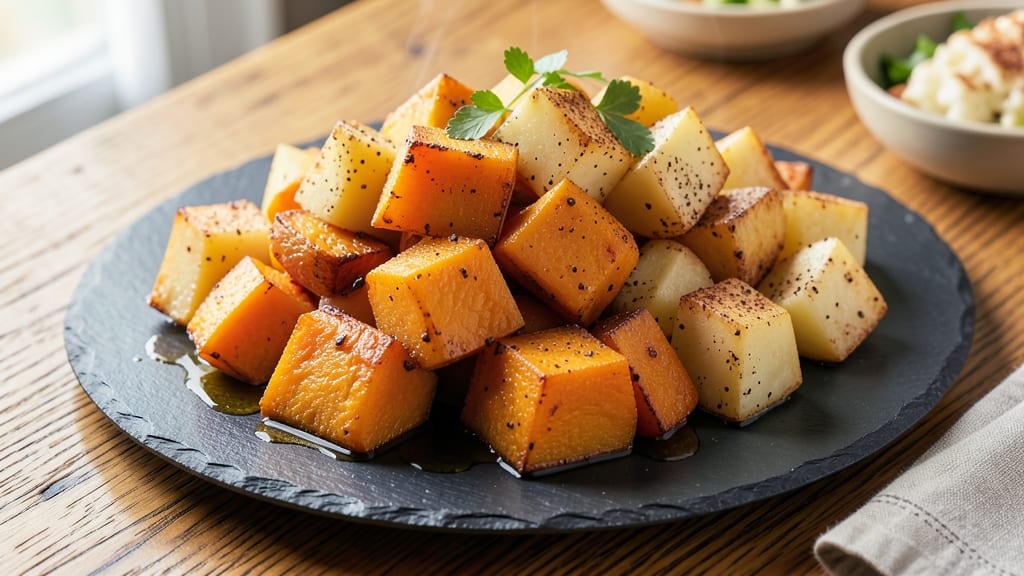
This baked squash and potato recipe transforms humble vegetables into a showstopping side dish with crispy edges and caramelized sweetness that rivals any restaurant plate. The secret lies in high-heat roasting, which concentrates natural sugars while creating that perfect textural contrast—tender interiors with golden, crackling exteriors.
I developed this recipe after years of testing oven techniques, and it never fails to impress, whether served as a standalone vegetarian meal or paired with proteins like roasted chicken or tofu.
The beauty of this recipe is its simplicity: just three core ingredients—squash, potatoes, and a carefully balanced seasoning blend—come together in one pan for easy cleanup.
The key technique is cutting the vegetables into even-sized pieces and tossing them with olive oil and spices before roasting at 425°F until they reach that ideal caramelized state.
This method works equally well with butternut squash, sweet potatoes, or a mix of both, giving you flexibility for different flavor profiles and seasonal ingredients.
What you'll end up with is a dish that's visually stunning—deep golden hues contrasting with the vibrant orange of roasted squash—and packed with natural sweetness that's perfectly balanced by savory spices.
The aroma alone will have everyone gathering around the table, and the texture contrast—crispy edges giving way to creamy centers—makes every bite satisfying. This recipe delivers restaurant-quality results with minimal effort, proving that simple ingredients can create extraordinary meals when prepared with care.
Serve this roasted trio as a hearty side dish alongside grilled meats or fish, or transform it into a complete vegetarian meal by adding black beans, quinoa, or a sprinkle of feta cheese.
The possibilities are endless, but the foundation remains the same: perfectly roasted vegetables that shine on their own. Let's get started on creating this crowd-pleasing dish that's as impressive as it is delicious.
Ingredients for baked squash and potato
Three core ingredients and a precise seasoning blend create this restaurant-worthy roasted trio.
| Ingredient | Amount | Notes |
|---|---|---|
| Butternut Squash 🎃 | 1 ½ lb | Cubed into 1-inch pieces, skin on |
| Yukon Gold Potatoes 🥔 | 1 ½ lb | Cubed into 1-inch pieces, skin on |
| Extra-Virgin Olive Oil 🫒 | ½ cup | High-quality, fruity variety |
| Kosher Salt 🧂 | 1 ½ tsp | Diamond Crystal preferred |
| Freshly Ground Black Pepper 🌶️ | ½ tsp | Coarsely ground for texture |
| Ground Cinnamon 🌿 | ½ tsp | Warm, aromatic variety |
| Smoked Paprika 🌶️ | ½ tsp | For subtle smokiness |
| Garlic Powder 🧄 | ¼ tsp | Freshly ground preferred |
| Fresh Thyme Leaves 🌿 | ¼ cup | Chopped, stems removed |
The squash and potatoes are the stars here, so prioritize fresh, firm specimens—avoid any with soft spots or bruising. For the squash, butternut or kabocha work best, though sweet potatoes add a deeper earthiness. Whole Foods or Trader Joe's typically carry the best quality, especially in fall months. When selecting potatoes, Yukon Golds provide that perfect balance of creaminess and structure—Russets will crisp more aggressively. Prep ahead by cutting the vegetables into even 1-inch cubes (skin on for texture), then toss immediately with olive oil to prevent browning. The key to caramelization is high-heat roasting at 425°F, which requires even-sized pieces for consistent doneness.
No butternut squash? Sweet potatoes or acorn squash work beautifully—just adjust roasting time by 5-10 minutes. Short on thyme? Fresh rosemary at half the amount adds a piney depth, or swap for dried thyme at one-third the quantity. The smoked paprika is non-negotiable for that restaurant-quality smokiness, but regular paprika plus a pinch of liquid smoke (like Colman's) can replicate it. For the olive oil, avoid the cheap stuff—look for extra-virgin with at least 70% oleic acid (check labels at Whole Foods or specialty markets). The garlic powder should be freshly ground if possible, as pre-ground loses potency quickly. Pro tip: Toast your spices for 30 seconds in a dry pan before mixing—they'll release their aromatics during roasting.
This dish reheats beautifully, though the crispy edges soften—best served fresh from the oven. Store leftovers in an airtight container for up to 4 days, but the flavor actually improves overnight as the sugars concentrate further. For meal prep, roast an extra batch and portion into containers with a drizzle of olive oil to maintain moisture. Freezes well for 3 months if wrapped tightly in foil. To revive, reheat at 375°F for 15-20 minutes until edges crisp again. Pair with a sprinkle of nutritional yeast for a cheesy note, or a drizzle of balsamic glaze for acidity. The possibilities for variations are endless—add roasted chickpeas for protein or sage leaves for earthiness.
Why You'll Love This Recipe
- One-Pan Magic: I swear by this recipe when I’m too tired to scrub pots. Toss the cubed butternut squash and potatoes on a single sheet pan, drizzle with olive oil, and let the oven do the work—no chopping boards in sight.
- Caramelized Perfection: The key? Roasting until the edges are golden and the flesh is tender. That buttery Yukon Gold meets the natural sweetness of the squash—simple seasoning (just salt and pepper) lets the flavors shine without overpowering.
- Meal Prep Hero: Between us, this keeps better than most takeout. Reheat slices straight from the fridge, and they’re still creamy inside, crispy out—ideal for lunches or a quick weeknight dinner when you’re not in the mood to cook.
- Budget-Friendly Luxury: Fresh squash and potatoes stretch further than you’d think. A single panful feeds four for under $10, and the olive oil makes it feel indulgent without breaking the bank. Honestly, it’s the kind of dish that makes grocery day less stressful.
Step-by-step instructions for roasted squash and potatoes
This method delivers caramelized sweetness and perfectly crispy edges every time.
Preheat and Prepare the Vegetables
Preheat your oven to 425°F with the rack positioned in the middle position. This high temperature is essential for achieving those crispy edges while keeping the interiors tender. While the oven heats, prepare the 1.5 lb butternut squash and 1.5 lb Yukon Gold potatoes by cutting them into 1-inch cubes, keeping the skins on for texture and nutrients.
Spread the cubed vegetables on a clean kitchen towel and pat them thoroughly dry with another towel. Removing excess moisture is critical—it ensures the vegetables brown properly rather than steam in the oven. Arrange the dried cubes in a single layer on a baking sheet lined with parchment paper, leaving about ½ inch between each piece. This spacing allows hot air to circulate evenly, promoting consistent browning.
Season and Toss the Vegetables
In a small bowl, combine 1.5 tsp kosher salt, 0.5 tsp freshly ground black pepper, 0.5 tsp ground cinnamon, 0.5 tsp smoked paprika, and 0.25 tsp garlic powder. This aromatic blend enhances the natural sweetness of the squash and potatoes while adding depth to the dish. Toss the seasoning mixture gently with 0.5 cup extra-virgin olive oil until it forms a light, even coating.
Using your hands or a large spoon, toss the prepared vegetable cubes with the seasoned oil until every piece is fully coated. The oil helps create a crispy exterior while preventing the vegetables from drying out. Spread the seasoned vegetables back onto the baking sheet in an even layer, ensuring no two pieces are touching. This arrangement maximizes surface area for browning and crisping.
Roast Until Caramelized and Crispy
Place the baking sheet in the preheated oven and roast for 25 minutes. After the initial 25 minutes, remove the sheet from the oven and give the vegetables a gentle toss. This step ensures even cooking, especially for the pieces that might not have been fully exposed to the heat. Return the sheet to the oven and continue roasting for another 20-25 minutes, or until the edges are deeply golden brown and the vegetables are tender when pierced with a fork.
Watch closely during the final 5 minutes of roasting. The vegetables should develop a caramelized sweetness with crispy, almost papery edges. If they brown too quickly, tent the baking sheet with foil to prevent over-browning. The internal temperature should reach around 200°F—this ensures the potatoes and squash are fully tender while maintaining their structure.
Finish with Fresh Thyme and Rest
Remove the roasted vegetables from the oven and immediately sprinkle them with 0.25 cup chopped fresh thyme leaves. The thyme adds a bright, herbal note that complements the smoky, caramelized flavors. Let the vegetables rest on the baking sheet for 5 minutes before serving. This resting period allows the juices to redistribute, ensuring each bite is moist and flavorful.
Serve the roasted trio immediately while still warm. The contrast between the crispy edges and tender interiors, combined with the aromatic thyme, makes this dish a standout side or even a hearty vegetarian main. The caramelized sweetness and smoky undertones create a balanced, satisfying flavor profile that pairs beautifully with grilled meats, roasted chicken, or even on its own as a comforting bowl.
Pro Tips For Making Baked Squash And Potato
- CUT SQUASH IN EVEN SLICES: I learned this the hard way—uneven butternut squash pieces cook at wildly different rates. Use a sharp knife and cut it into ½-inch thick rounds before hollowing out the seeds. If you’re feeling ambitious, score the flat sides lightly with a knife to help the olive oil penetrate faster.
- SALT POTATOES BEFORE BAKE: This isn’t just seasoning—it’s texture insurance. Toss your Yukon Golds with salt before roasting (about 1 teaspoon per pound), then let them sit for 10 minutes while you prep the squash. The salt draws out moisture, which means crispier edges when they bake. (Yes, even if you’re impatient like me.)
- DON’T OVERCROWD THE PAN: I used to jam every inch of tray with squash and potatoes, convinced more food = better results. Wrong. Leave at least ½ inch between pieces so hot air circulates—otherwise, you’re steaming them into sad, limp mush. A single sheet pan? Do two batches. It’s worth it.
- USE HIGH HEAT FIRST: Start your squash and potatoes at 425°F for the first 15 minutes, then drop to 375°F. The initial blast caramelizes the edges faster, giving you that golden crust without burning the insides. (Pro move: Rotate the pan halfway through to keep things even.)
Perfect pairings for this baked squash and potato
Herb-Infused Drizzles
Elevate your roasted trio with a homemade herb drizzle that adds freshness and brightness. Mix 2 tbsp extra-virgin olive oil with 1 tbsp chopped fresh parsley and 1 tsp lemon zest, then drizzle over the hot vegetables.
For a smoky twist, blend 1 tbsp olive oil with 1 tsp smoked paprika and ½ tsp honey—this enhances the caramelized edges beautifully. 🌿
Protein Pairings
Turn this dish into a complete meal by pairing it with protein-rich additions. Grilled chicken thighs or pan-seared tofu (marinated in soy sauce and garlic) complement the sweetness perfectly.
For a vegetarian option, top with crispy chickpeas (tossed in olive oil and smoked paprika, roasted at 400°F for 20 minutes) for added texture and plant-based protein.
Acidic Balance
Cut through the richness with a tangy element. A sprinkle of crumbled feta cheese (about ¼ cup) adds salty contrast, while a drizzle of balsamic glaze (reduce ½ cup balsamic vinegar on the stovetop until syrupy) brings a sophisticated touch.
For a lighter option, toss the roasted vegetables with 1 tbsp apple cider vinegar and ½ tsp Dijon mustard before serving.
Crunchy Toppings
Add texture with toasted nuts or seeds. Sprinkle 2 tbsp chopped walnuts or pecans (toasted in a dry pan for 3-4 minutes) for a buttery crunch, or use pumpkin seeds for a peppery kick.
For extra flair, toast 1 tbsp breadcrumbs with 1 tsp garlic powder and sprinkle over the top—this creates a crispy, savory crust that contrasts the sweetness.
Beverage Pairings
Pair this dish with beverages that complement its caramelized sweetness and smoky notes. A dry white wine like Sauvignon Blanc (with its citrusy acidity) or a light red such as Pinot Noir enhances the flavors without overpowering.
For non-alcoholic options, sparkling water with lemon or hibiscus tea (slightly tart and floral) balances the dish beautifully. 🍷
Global Variations
Transform this recipe into international flavors with simple swaps. For a Mexican-inspired twist, add ½ tsp cumin and ¼ tsp cayenne to the seasoning, then top with avocado slices and lime wedges.
A Mediterranean version calls for 1 tsp dried oregano and a finish of crumbled goat cheese and olives. For a Middle Eastern touch, toss with 1 tsp ground coriander and garnish with pomegranate seeds for a burst of sweet-tart contrast.
Nutrition facts
Frequently asked questions
Can I use sweet potatoes instead of butternut squash?
Sweet potatoes work beautifully and add a deeper earthy flavor. For best results, use 1.5 lb sweet potatoes cubed into 1-inch pieces and reduce the cinnamon to ¼ tsp—sweet potatoes already have natural sweetness. Roast for 30-35 minutes total at 425°F until edges are crispy. The texture will be slightly firmer than butternut squash but equally delicious.
Why do my roasted vegetables turn out soggy instead of crispy?
Soggy results usually mean excess moisture or uneven heat. First, ensure you pat the vegetables completely dry before roasting—even a little moisture steams them instead of browning. Second, leave ½ inch space between pieces on the baking sheet for proper airflow. Finally, roast at 425°F (not lower) and avoid overcrowding the pan. If needed, spread pieces on a second sheet halfway through roasting.
How can I make this a complete vegetarian meal?
Transform it into a hearty vegetarian plate by adding 1 can black beans (rinsed and drained) or 1 cup cooked quinoa for protein and texture. For extra richness, top with ¼ cup crumbled feta or 2 tbsp nutritional yeast. Serve with a side of avocado slices and a squeeze of lime to balance the caramelized sweetness. This combo provides 15-20g protein per serving while keeping it vegetarian.
Can I prepare this ahead of time for meal prep?
Yes! This dish actually tastes better the next day as the flavors deepen. Roast as directed, then store in an airtight container for up to 4 days. To reheat, spread on a baking sheet and warm at 375°F for 15-20 minutes until edges crisp again. For meal prep, roast an extra batch and portion into containers with a drizzle of olive oil to maintain moisture. The texture won't be as crispy as fresh, but the sweetness remains intact.